What Are Elastomers?
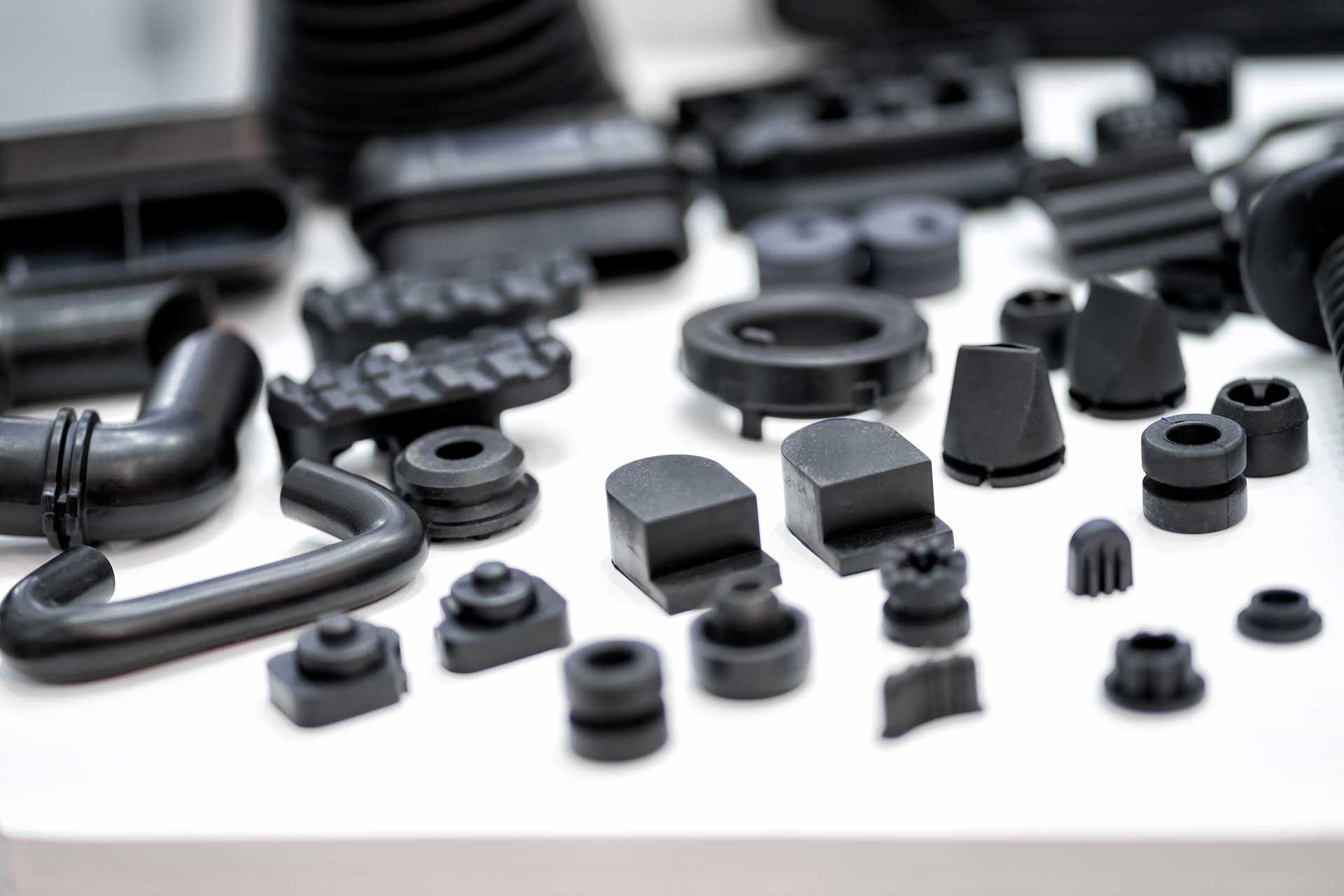
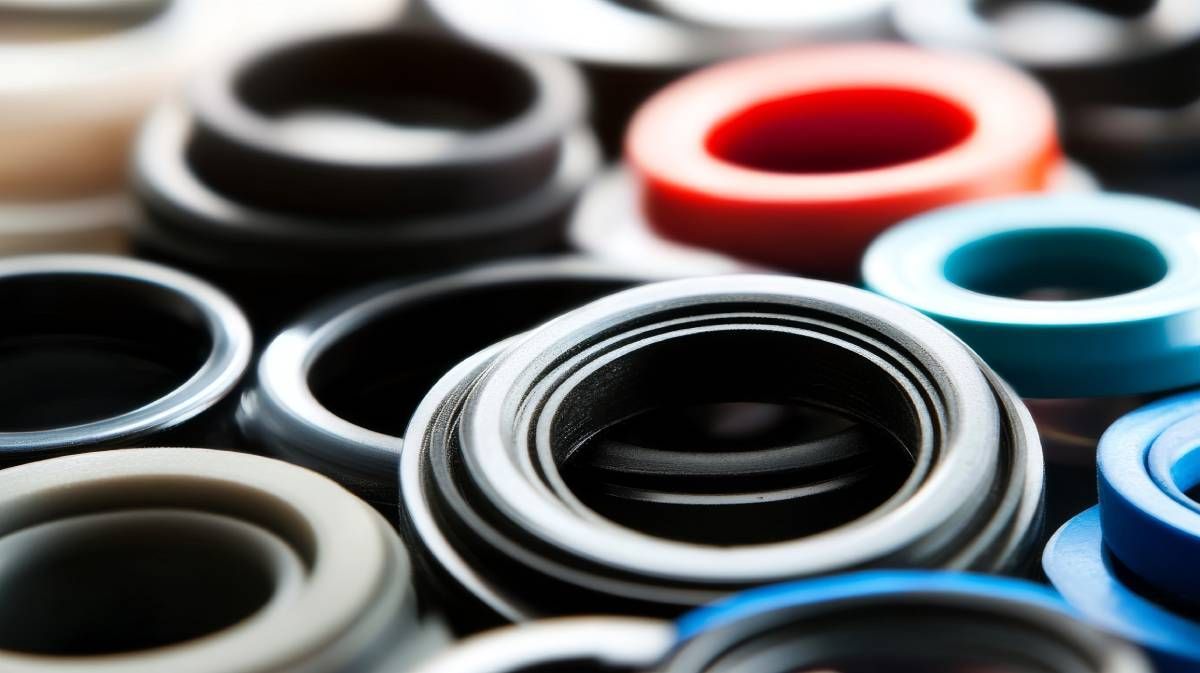
Elastomers are materials that stretch and return to their original shape; their flexibility, durability, and resistance to environmental stresses make them invaluable across many industries. I.B. Moore Manufacturing clients often associate elastomers with rubber, which makes sense. However, not all elastomers are rubber-based; some are synthetic and designed to meet specific performance requirements that natural rubber cannot support.
A Brief History of Rubber and Elastomers
The word “elastomer” is derived from “elastic polymer,” which describes how these materials behave when subjected to stress and deformation. The history of rubber dates back centuries to the Mesoamerican Olmec culture (2,500 to 400 BCE) that lived in the present-day tropical lowlands of Mexico. They harvested the latex-producing Panama rubber tree and made the first rubber balls. Pretty impressive, right?
Fast forward: In the 19th century, Charles Goodyear discovered vulcanization. He heated natural rubber and sulfur, resulting in a more durable product that was less reactive to temperature changes. That led to the worldwide use of rubber in everything from industrial seals to tires. The need to find materials able to resist chemicals and extreme conditions soon led to the development of rubber alternatives like elastomers.
Properties and Benefits of Elastomers in Industrial Applications
Elastomers offer advantages that make them indispensable in industrial settings; one of their most notable features is elasticity. Unlike rigid materials, elastomers absorb shocks and vibrations, protecting machinery from wear and tear. This quality is instrumental in applications like automotive suspension systems, conveyor belts, and vibration dampeners.
Another elastomer benefit is resistance to temperature extremes. Some retain flexibility even in freezing conditions, while others withstand high heat without degrading. This makes them ideal for aerospace, automotive, and manufacturing industry applications, where equipment must function reliably across a wide range of environmental conditions.
The importance of elastomers also extends to its next key attribute, chemical resistance. Materials like fluorocarbon elastomers and silicone endure exposure to oils, fuels, and harsh chemicals without breaking down. That strength extends the lifespan of industrial components, reducing the need for frequent replacements.
Elastomers also play leading roles in the medical field. For instance, medical devices like prosthetics, tubing, and seals use silicone elastomers. Their ability to maintain flexibility while being biocompatible is critical in healthcare settings.
Are Elastomers Rubber?
Our final answer is “no.” While natural rubber is one type of elastomer, there are many synthetic alternatives with properties tailored for specific applications. Neoprene, nitrile, and silicone are three elastomers that serve distinct purposes across different industries.
- Neoprene is known for its resistance to weathering and chemicals, making it ideal for wetsuits and industrial gaskets.
- Nitrile elastomers are oil-resistant and highly valued in automotive and industrial sealing applications.
- Silicone elastomers withstand high temperatures and are seen in medical devices and food-grade applications.
Elastomers are here to stay, but as with other modern industrial materials, I.B. Moore Manufacturing expects improved durability and possibly more kinds of elastomers in the future. Industry demands constantly change, driving that kind of innovation.
The Importance of Elastomers in Modern Industry
Elastomers’ ability to stretch, resist wear, and maintain durability makes them indispensable in many industries. Without these products, sectors like automotive, aerospace, healthcare, and construction would face significant challenges in producing long-lasting, reliable products. To be more specific:
- Elastomers are used in seals, hoses, belts, and gaskets to keep machinery running efficiently.
- In transportation, elastomer-based tires enhance safety and performance.
- The construction industry benefits from weather-resistant elastomer coatings that improve building longevity.
- Even everyday household items, like kitchen utensils and smartphone cases, rely on elastomers.
Elastomers and Industrial Sealing
I.B. Moore Manufacturing is a manufacturer, fabricator, and distributor of industrial rubber products. Our team specializes in:
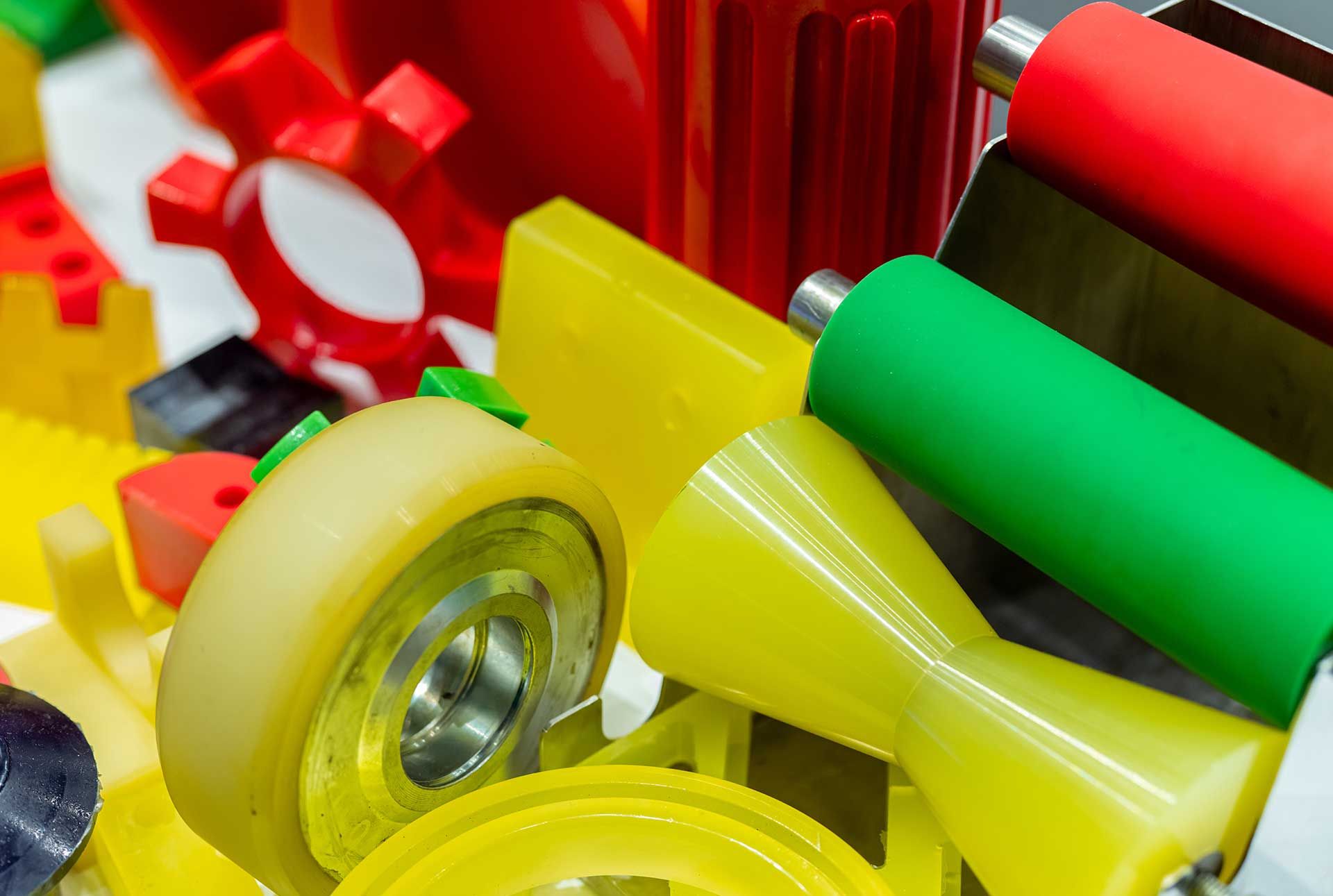
- Custom rubber and polyurethane rollers
- Roller assemblies
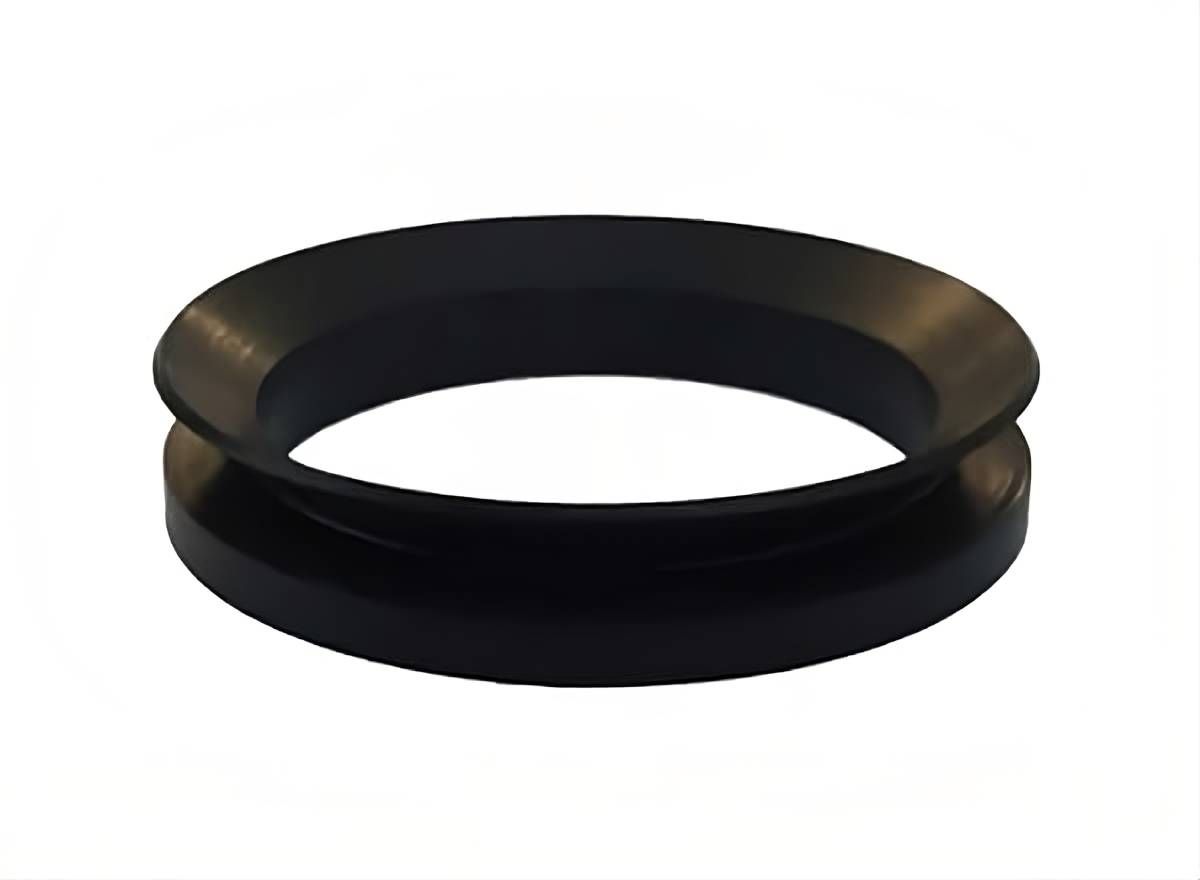
- Customized sealing solutions
- Urethane or molded products
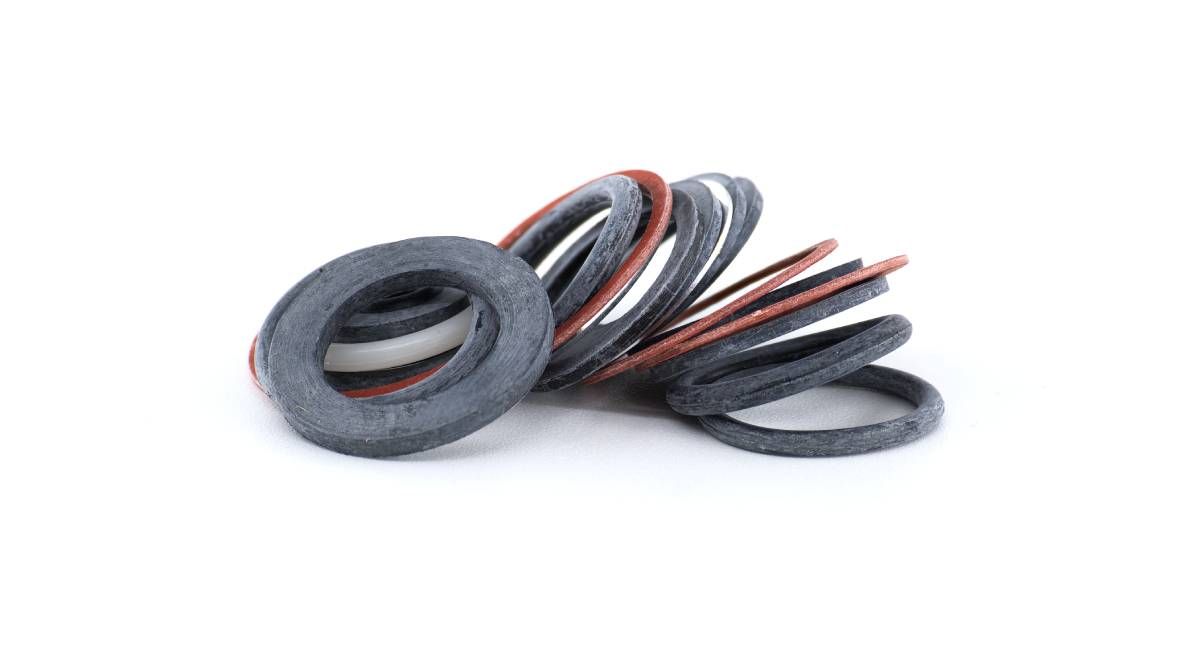
- Specialized gaskets or shapes
- O-Ring distribution
Elastomers meet our high standards with outstanding elasticity, compression set resistance, and sealing capabilities. They’re the preferred choice for many of our products; we’ve built a foundation of trust with our clients and are proud of our long-term team member retention.
Find the Right Elastomer Solutions with I.B. Moore Manufacturing
Now that we’ve answered the “What are elastomers?” question, you can feel confident in your search for sealing solutions. With decades of experience in precision-cut elastomer parts, we provide materials that meet specific industrial needs and will help you find the right elastomer for your application. Contact us today for a no-obligation quote.