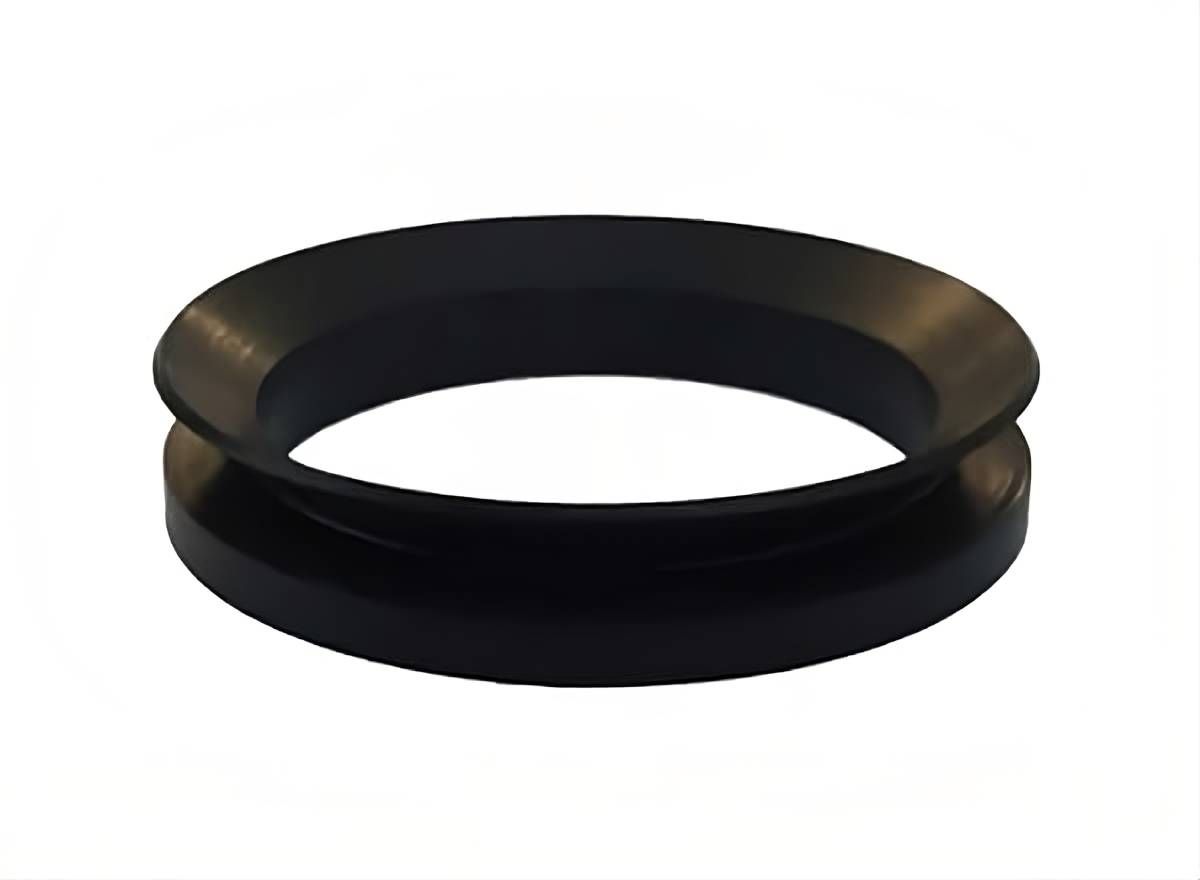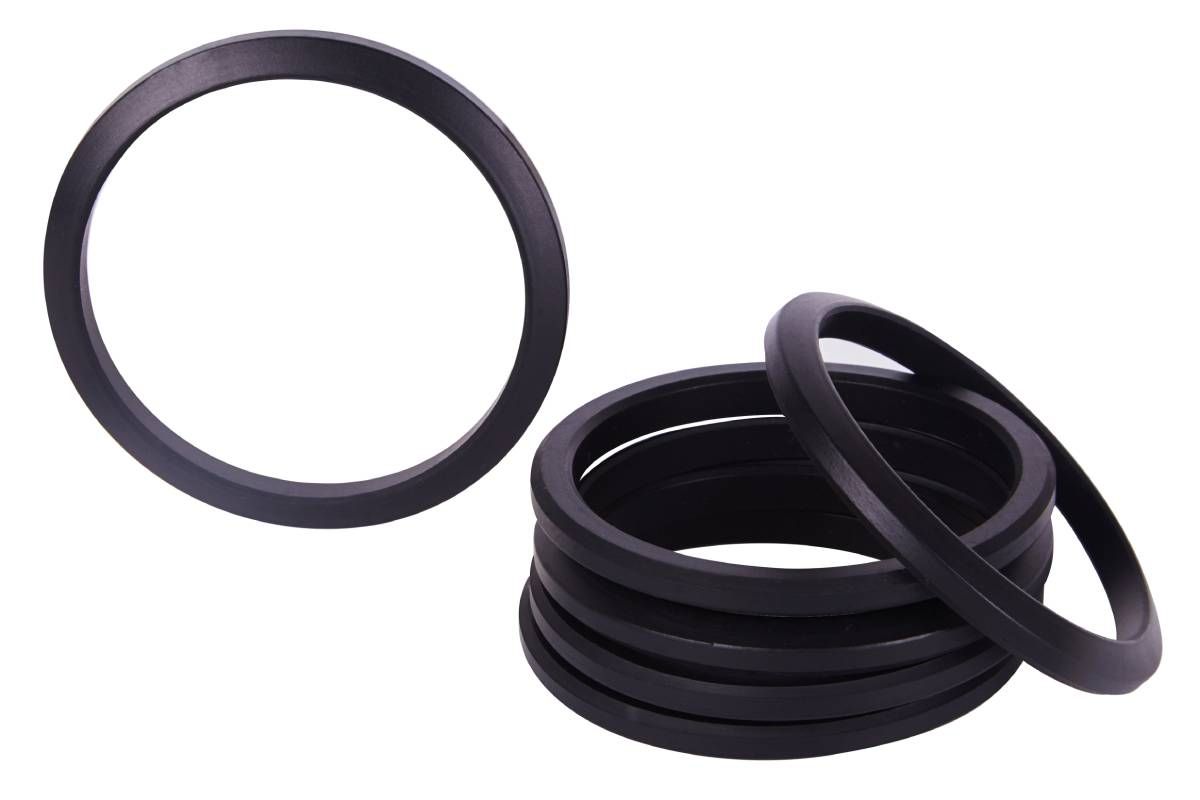
The Benefits of FFKM (Perfluoroelastomer) O-Rings
Consider an industrial application like chemical processing that involves extreme temperatures or corrosive substances. Standard rubber seals would fail catastrophically within minutes, causing equipment damage and costly downtime. For these kinds of applications, the experts at I.B. Moore Manufacturing often recommend FFKM O-rings, which have one of the most advanced materials available.
What Makes FFKM Special?
FFKM stands for perfluoroelastomer, a synthetic rubber material with extraordinary properties. DuPont created it in the 1960s as a more resistant alternative to fluoroelastomer (FKM). And unlike standard rubber O-rings in everyday items like faucets or car engines, FFKM O-rings withstand conditions that would instantly destroy conventional materials. The molecular structure of FFKM consists of carbon and fluorine atoms, creating an incredibly stable chemical bond.
This structure gives FFKM O-rings their remarkable resistance to virtually all chemicals, solvents, and acids. Picture trying to dissolve a diamond with household cleaners — it can’t happen. That’s essentially what happens with FFKM materials and most aggressive substances.
FFKM O-Ring Temperature Performance
Standard rubber O-rings typically fail at temperatures above 200°F or below freezing. FFKM seals operate effectively from -15°F to 600°F without losing their sealing properties. Some specialized grades can tolerate temperatures reaching 700°F.
Certain aerospace applications expose components to the frigid cold of space and the intense heat of atmospheric reentry. FFKM o-ring seals maintain their flexibility and sealing capability throughout these extreme temperature swings, protecting critical systems from contamination or pressure loss.
FFKM O-Ring Chemical Compatibility
The chemical resistance of perfluoroelastomer O-ring materials surpasses nearly every other elastomer. These seals remain unaffected by these potential problems:
- Strong acids like sulfuric and hydrochloric acids eat through metal containers.
- Organic solvents, including acetone, benzene, and toluene, dissolve most plastics.
- Aggressive oxidizers, like hydrogen peroxide and ozone, break down organic materials.
- Steam and hot water cause standard rubber to swell and deteriorate.
Now that you know how FFKM solves those problems, let’s see how our clients use it in the real world.
Real-World Applications for Perfluoroelastomer O-rings
Here is why I.B. Moore Manufacturing experienced an uptick in client requests for FFKM O-rings:
- Pharmaceutical companies discovered that these seals would not contaminate their drugs or interfere with active ingredients during manufacturing.
- Food processors adopted them because they withstand the harsh sanitizers needed for daily equipment cleaning.
- Down in oil wells, where hydrogen sulfide and carbon dioxide create a challenging environment under pressure, FFKM O-rings keep equipment sealed thousands of feet underground.
- Chemical plant engineers found these seals could finally handle the corrosive substances that ate through everything else in their reactors, pumps, and valves.
- When aerospace engineers needed reliable seals for fuel systems and hydraulic components, they turned to FFKM for its proven durability.
- Now automakers are catching on, using these high-performance seals in their latest engine designs and emissions systems.
Perfluoroelastomer O-ring Design Considerations and Limitations
Despite their impressive capabilities, FFKM materials have specific design requirements. These seals require careful groove design because they’re less flexible than standard rubber. And since the material doesn’t compress efficiently, engineers must calculate precise dimensions for proper sealing force.
FFKM materials also have lower tear strength compared to some conventional elastomers. That means they require gentler installation procedures and smooth surface finishes to prevent damage during assembly.
All things considered, cost is the main limitation of FFKM technology. Due to complex manufacturing processes and expensive raw materials, these specialized seals cost more than conventional O-rings. Still, their extended service life and reliability justify the initial investment.
What If I Need More Than One Type of O-ring?
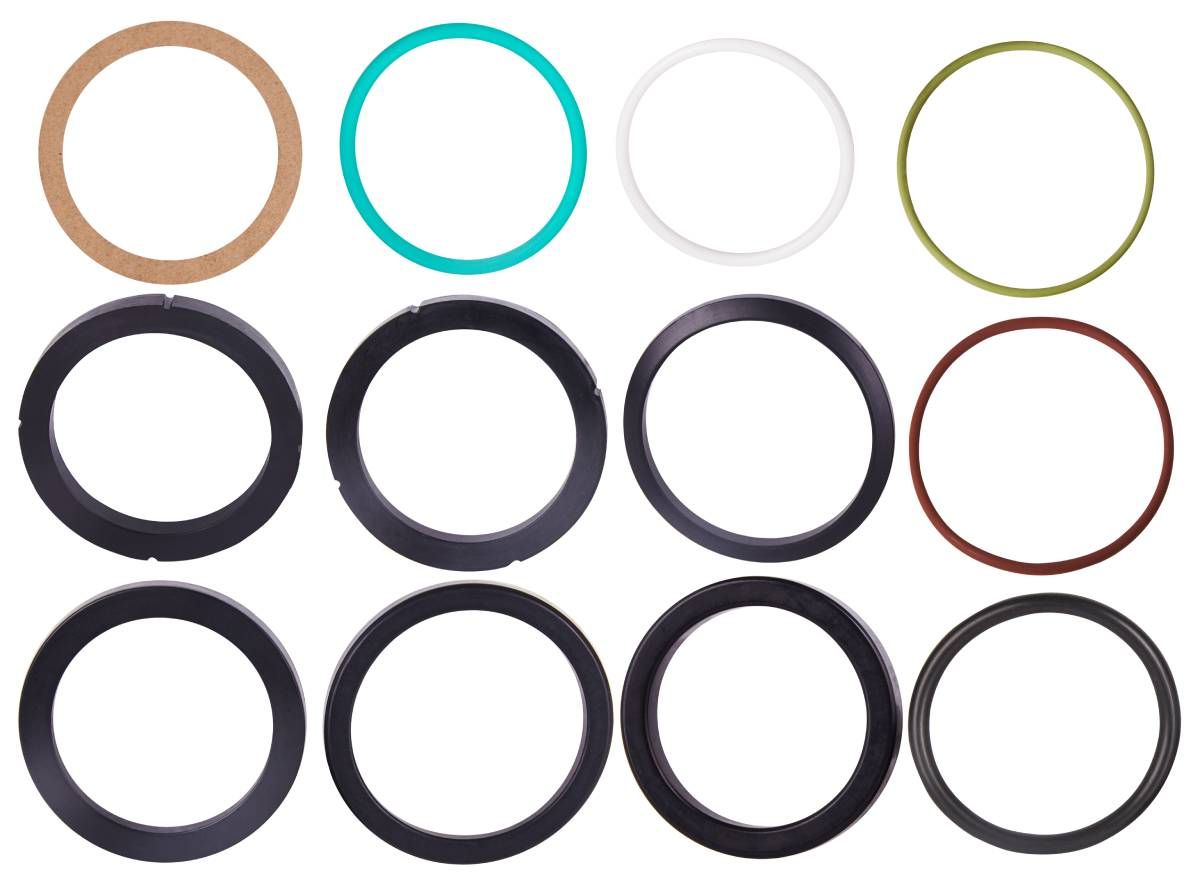
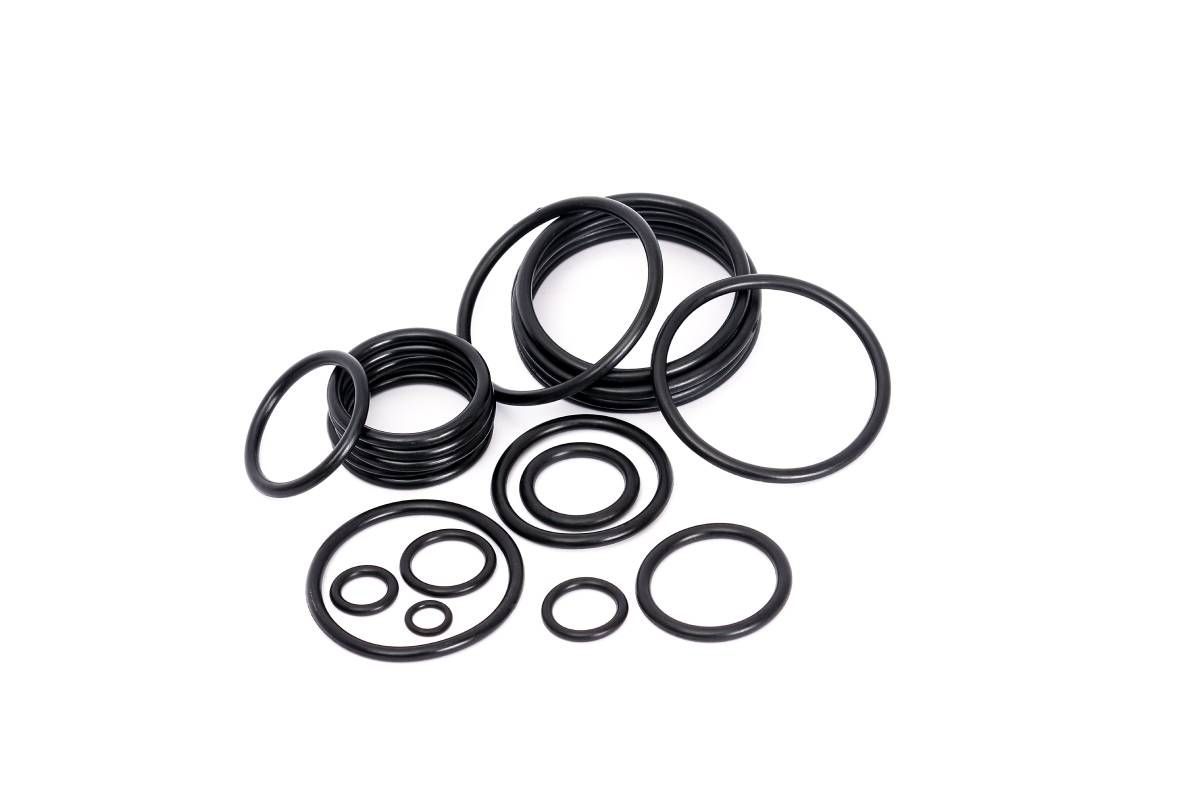
Many applications require standard or custom O-ring kits that include various seals instead of just one material. But standard catalog sizes might not fit unique groove dimensions; you might need a set amount of special FFKM compounds for particular chemical exposures. I.B. Moore Manufacturing offers pre-packaged options and custom O-ring kits, and we’ll help you tailor one to meet each of your applications’ needs.
Partner with I.B. Moore Manufacturing for Premium FFKM O-Ring Solutions
I.B. Moore Manufacturing delivers precision-engineered FFKM O-rings and custom sealing solutions for your most challenging applications. Our technical team works directly with engineers and designers to specify each requirement’s optimal materials and dimensions. From prototype development through production quantities, we provide the expertise and quality components that demanding projects require. Contact our team in Lexington, KY, for nationwide service.