Your Guide to Chemical Material Compatibility
Your Guide to Chemical Material Compatibility
Gasket failures lead to unplanned shutdowns, damaged equipment, and the need to find replacements. However, the culprit isn’t always a manufacturing defect or improper installation; in other cases, the gasket cannot withstand the chemicals it encounters.
At I.B. Moore Manufacturing, our experts inform clients that chemical material compatibility makes a significant difference between a seal that lasts for years and one that fails within weeks. It affects everything from production schedules to workplace safety. Our gasket standards are the highest in the industry, and well-chosen to work with chemicals in different industry applications.
Decoding Chemical Material Compatibility
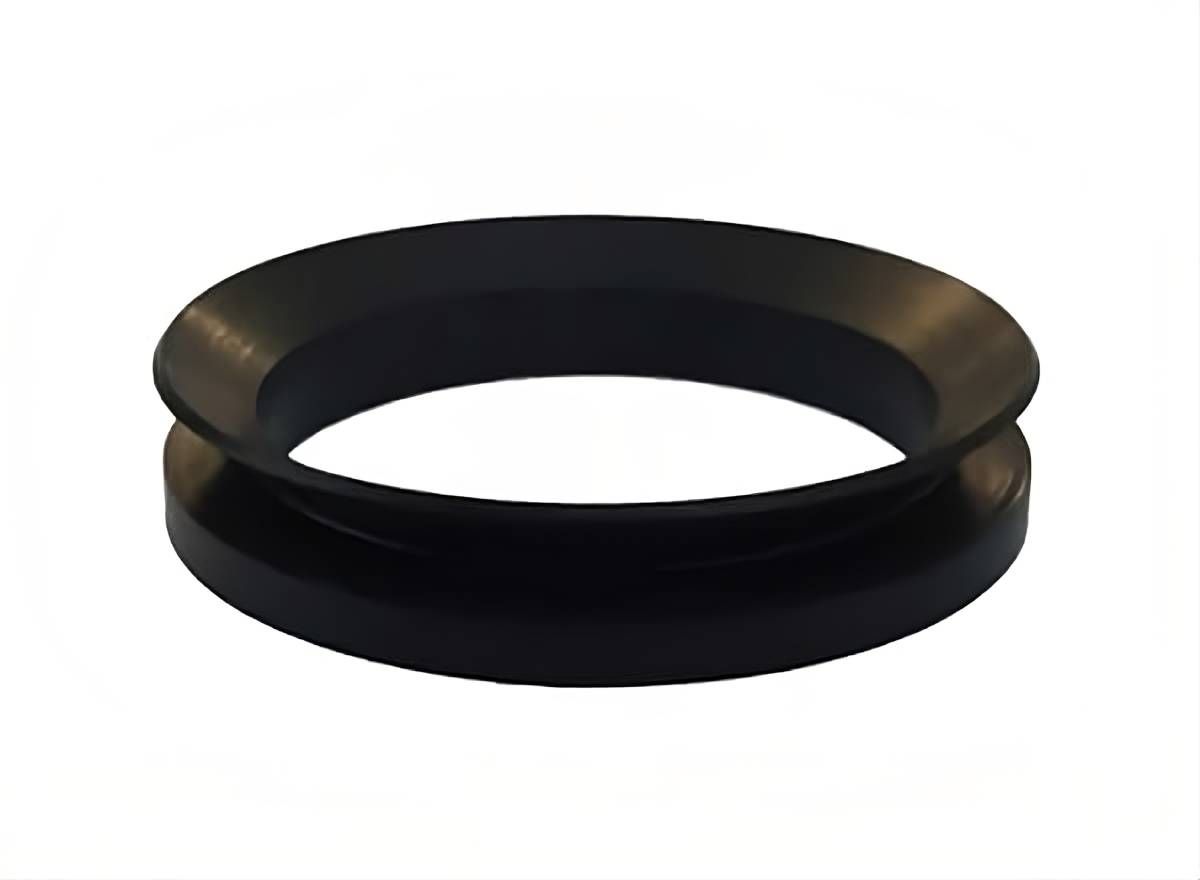
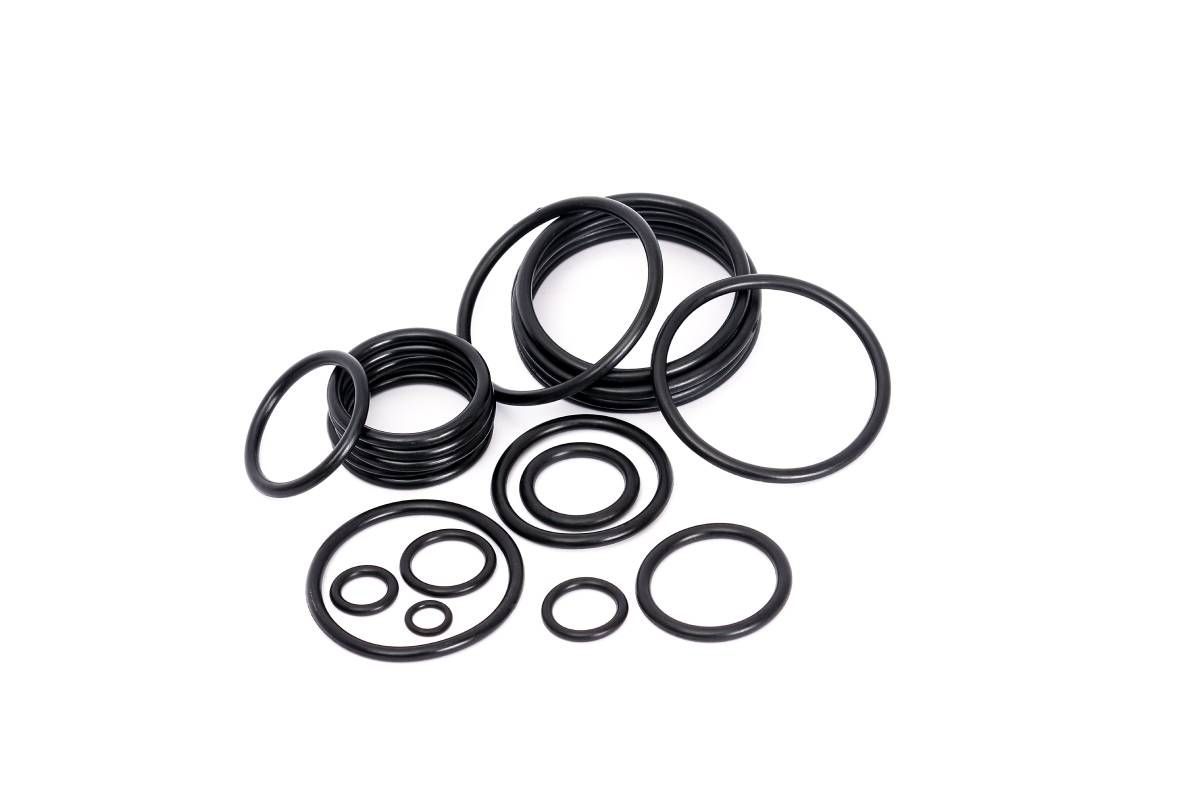
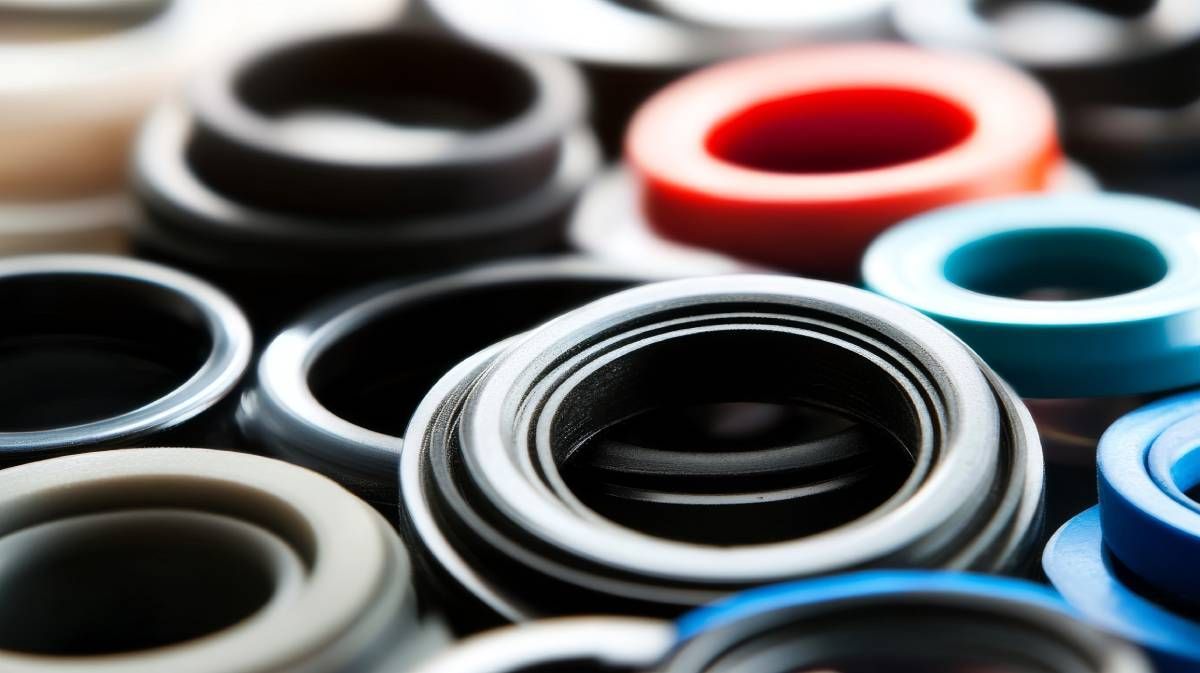
Chemical material compatibility refers to a material’s ability to maintain its physical and mechanical properties when exposed to specific substances. Gaskets and O-rings have constant contact with process fluids, cleaning agents, food, and environmental conditions — poor compatibility causes swelling, hardening, cracking, or complete degradation.
Temperature extremes accelerate these reactions, while concentration levels and exposure duration impact performance. We evaluate the complete operating environment, not just the primary chemical contact.
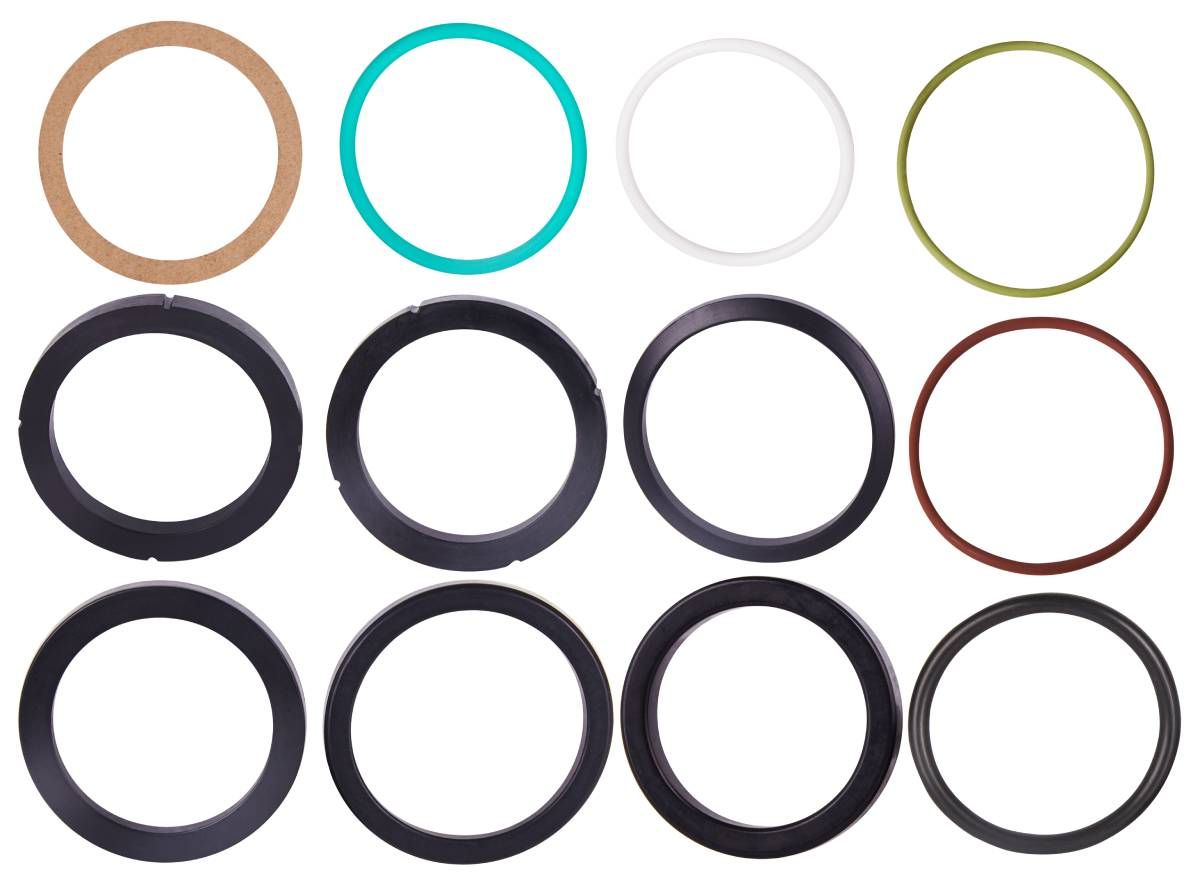
Next, we’ll analyze seven of our most-requested gasket materials.
Chemical Material Compatibility: Compressed Non-Asbestos Materials
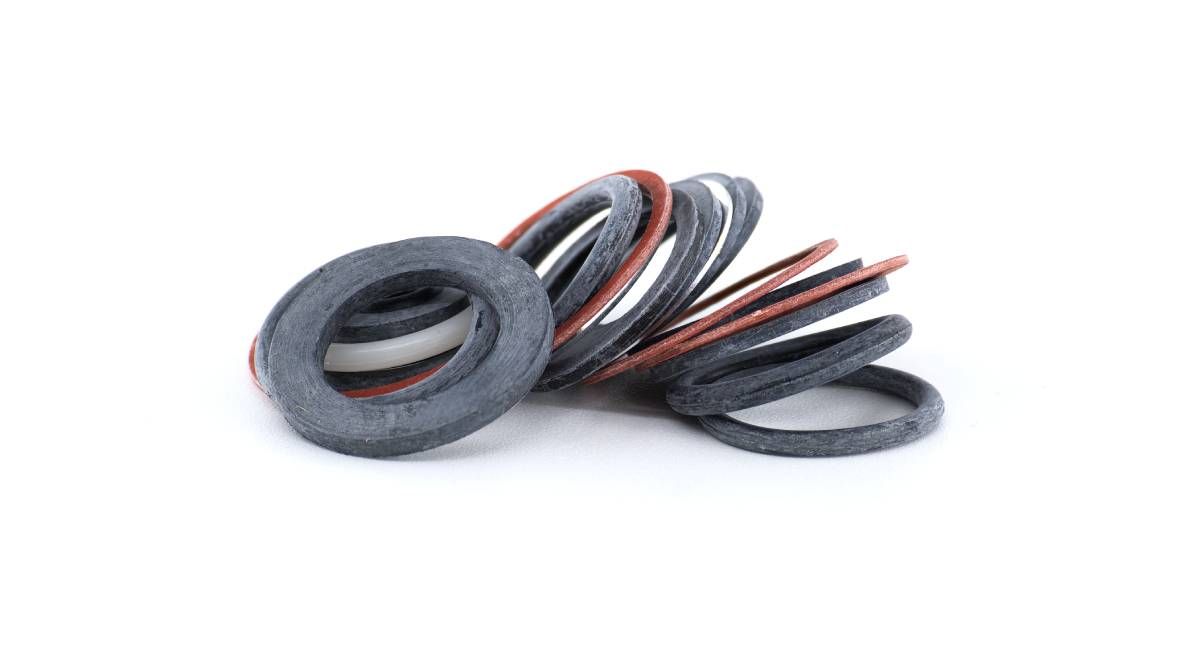
Compressed non-asbestos sheet materials have synthetic fibers, fillers, and elastomer binders, resulting in versatile gaskets suitable for general industrial use. They withstand many acids, alkalis, and solvents at moderate temperatures while flexing enough to seal imperfect flange surfaces. These gaskets work well with water, mild acids, petroleum products, and common industrial fluids.
Avoid using compressed non-asbestos sheet materials with strong oxidizing acids or high-temperature applications, because their composite structure will break down.
Chemical Material Compatibility: EPDM
Ethylene propylene diene monomer (EPDM) rubber is resistant to hot water, steam, and weathering. This synthetic rubber maintains flexibility across a wide temperature range, making it ideal for outdoor applications and systems involving water-based fluids. EPDM resists ozone, aging, and many substances like brake fluids and alcohols. Applications in pharmaceutical processing, food and beverage equipment, and HVAC systems benefit from these properties.
This material performs poorly with petroleum oils, greases, and most hydrocarbon solvents. We have observed that EPDM swells significantly in mineral oil environments, making it unsuitable for use with gasoline, diesel fuel, or aromatic hydrocarbons.
Chemical Material Compatibility: FDA-Approved Neoprene
Food-grade neoprene formulations meet strict regulatory requirements for direct food contact while providing reliable sealing performance. This synthetic rubber offers good resistance to moderate chemicals, oils, and weather exposure. We recommend it for food processing, dairy equipment, and beverage production applications; all benefit from neoprene’s combination of chemical resistance and regulatory compliance. Food-grade neoprene handles mild acids, fats, and refrigerants commonly found in food industry operations.
Strong oxidizing chemicals and aromatic hydrocarbons will degrade this material.
Chemical Material Compatibility: PTFE
Polytetrafluoroethylene (PTFE) offers unmatched chemical resistance against virtually all industrial chemicals, solvents, and corrosive substances. This fluoropolymer maintains stability in cryogenic temperatures to 500°F, making it invaluable for extreme chemical processing environments. PTFE’s non-stick properties also prevent contamination in ultra-pure applications. The material’s rigidity requires careful gasket design and higher bolt loads to achieve proper sealing. PTFE creeps under constant compression, which may necessitate periodic retightening. Despite these limitations, PTFE remains the material of choice for aggressive acids, strong bases, and chlorinated solvents.
Two caveats: Meeting O-ring standards with PTFE may require specialized or encapsulated designs. And while PTFE resists nearly everything, molten alkali metals and highly reactive fluorinating agents can attack it.
Chemical Material Compatibility: SBR
We suggest styrene-butadiene rubber (SBR) as an economical choice for applications involving water, mild chemicals, and low-pressure environments. It performs well with dilute acids, alkalis, and alcohols at room temperature with good abrasion resistance. You’ll find SBR in building services, general plumbing, and other applications where low cost matters more than specialized chemical resistance.
The downsides? SBR has low resistance to oils, fuels, ozone, and weather, as well as modest temperature capability.
H2: Chemical Material Compatibility: Viton/FKM
Viton is a brand name for fluoroelastomer (FKM) materials that dominate applications involving petroleum products, fuels, hydraulic fluids, and aggressive chemicals. It stays stable at temperatures up to 400°F and resists swelling in hydrocarbons that destroy other elastomers. That is why we regularly specify this material for automotive fuel systems, chemical processing, and aerospace applications.
Chemical material compatibility charts reveal Viton’s weakness: low-molecular-weight organic acids, ketones, certain amines, hot water, and steam all cause degradation.
We carry other materials that meet O-ring standards and are happy to explain their chemical compatibility with these materials.
We Have the Expert Gasket and O-Ring Selection Assistance Your Business Needs
The gasket experts at I.B. Moore Manufacturing can recommend the best chemical material compatibility for your specific application requirements. Our technical team will evaluate your operating conditions, chemical exposures, and performance expectations to deliver materials that bring reliable, long-term sealing solutions. Contact us in Lexington, KY, for nationwide service.