The Benefits of PTFE (Teflon™) O-Rings
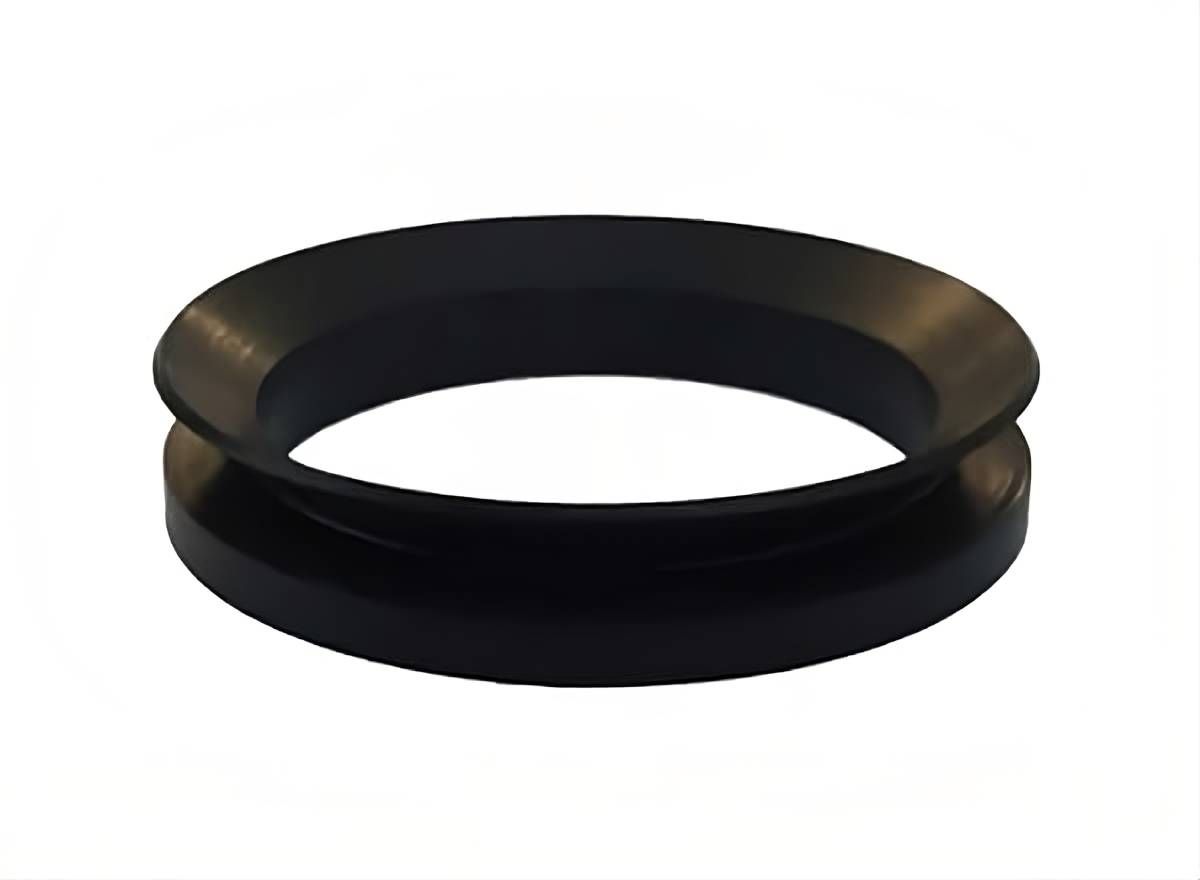
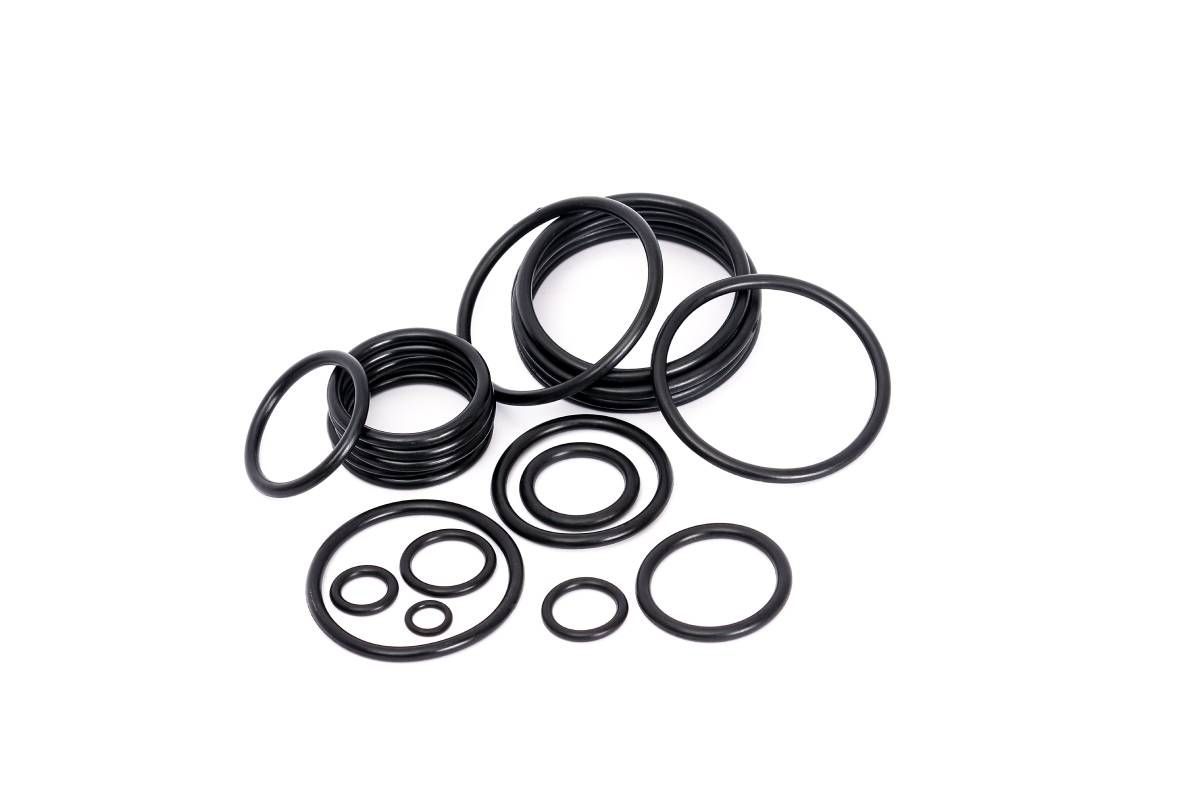
What does PTFE stand for? Polytetrafluoroethylene, commonly known as the brand Teflon™. PTFE O-rings are specialized seals that differ from standard rubber O-rings. Unlike conventional elastomers (a type of rubber), PTFE maintains its molecular structure across extreme temperature ranges. It also offers exceptional resistance to chemical degradation.
At I.B. Moore Manufacturing, our team members specify these Teflon™ O-rings when standard materials can’t meet the performance requirements. We’re always happy to explain the benefits, too.
PTFE O-rings Have Exceptional Chemical Resistance
The primary advantage of Teflon™ O-rings is their wide-ranging chemical compatibility. PTFE is inert to virtually all industrial chemicals, acids, bases, and solvents, including aggressive substances like hydrofluoric acid.
Pharmaceutical and food processing industries rely heavily on PTFE’s non-reactive properties. The material prevents contamination and protects product purity throughout manufacturing processes. Chemical processing facilities use these seals to contain corrosive fluids that would otherwise cause equipment failure and safety hazards.
PTFE O-rings Have Superior Temperature Performance
PTFE O-rings function across an impressive temperature spectrum, typically from -200°F to +400°F (-129°C to +204°C); that surpasses most elastomeric materials. The PTFE retains dimensional stability and sealing integrity even during temperature extremes.
PTFE’s thermal stability benefits high-temperature applications without degradation or hardening. Cryogenic systems like storage tanks use these seals because the material remains flexible at ultra-low temperatures—rubber O-rings can become brittle and crack. Aerospace applications frequently need this temperature versatility for equipment operating in harsh environments.
PTFE O-rings Have Low Friction and Non-Stick Properties
Teflon™ O-rings are slippery, which makes them perfect for frequently moving parts. When machine parts rub against each other, the slipperiness creates less friction, so the parts don’t wear out as quickly and need fewer repairs. That feature’s ideal for rotating shafts and pistons that move back and forth.
And because Teflon™ has a non-stick surface, dirt and particles don’t stick to it easily. That’s great for hygienic environments where even tiny bits of dust or contamination could cause problems. Medical equipment makers prefer Teflon™ seals because these O-rings stay clean, don’t attract germs, and help keep everything sterile.
Teflon™ O-ring Electrical Properties and Applications
Electrical currents don’t pass through PTFE easily, making it perfect for sealing electronic devices. It keeps currents from going where they shouldn’t and protects equipment from moisture and dirt. Even when there’s high voltage involved, PTFE stays strong and won’t break down.
When companies make computer chips and other sensitive electronics, they need materials that won’t react with chemicals and won’t conduct electricity. PTFE seals are ideal because they do both jobs well. They keep manufacturing rooms clean without releasing chemicals into the air or adding unwanted particles.
Limitations and Design Considerations
Despite those advantages, PTFE O-rings have certain limitations to think about:
- The material lacks elasticity compared to rubber, requiring precise groove dimensions and controlled compression.
- Installation typically requires specialized techniques to prevent damage during assembly.
- Cold flow characteristics mean PTFE can deform under sustained pressure, potentially affecting long-term sealing performance.
- The material’s hardness can cause damage to soft mating surfaces if not correctly managed during design phases.
- Teflon™ O-rings are more expensive than conventional elastomers, but the performance benefits often justify the investment.
How Custom O-Ring Kits Help Our Clients
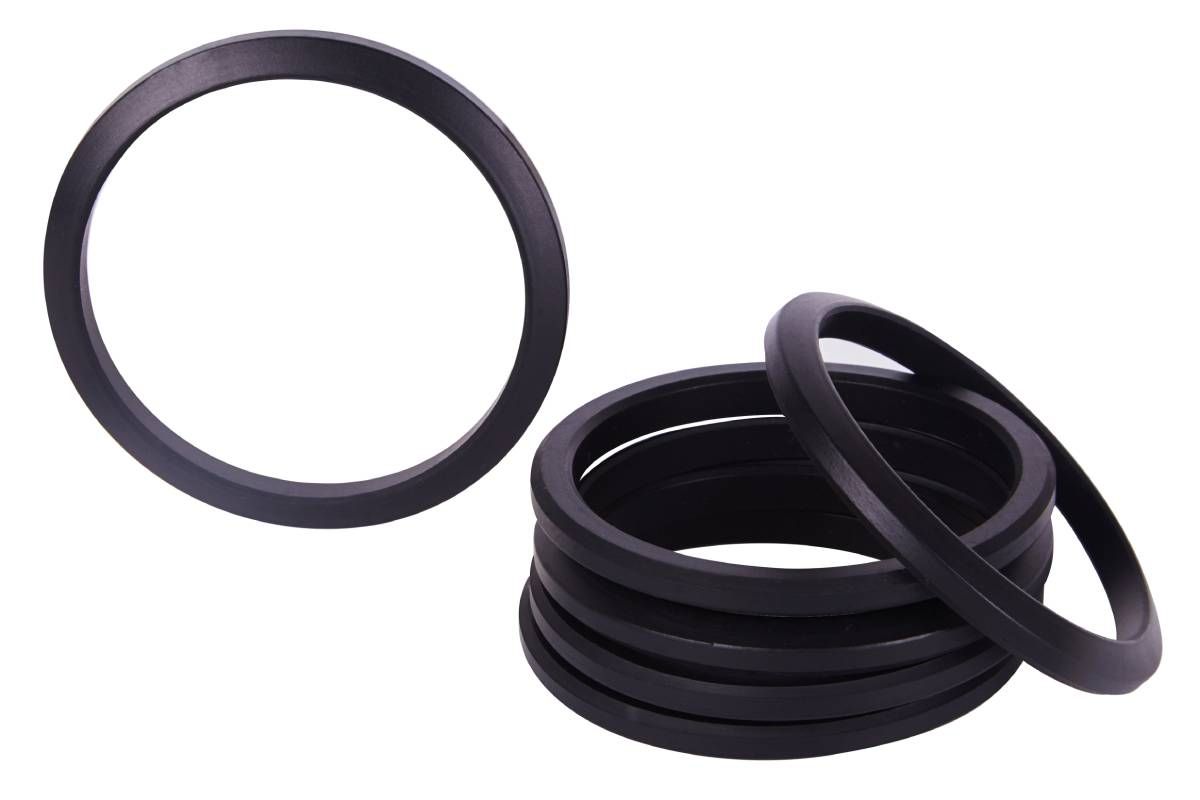
A custom O-ring is a sealing component manufactured to specific dimensional, material, or performance requirements that standard catalog items cannot fulfill. Our custom manufacturing capabilities benefit applications requiring non-standard sizes, special groove configurations, or unique material properties like PTFE.
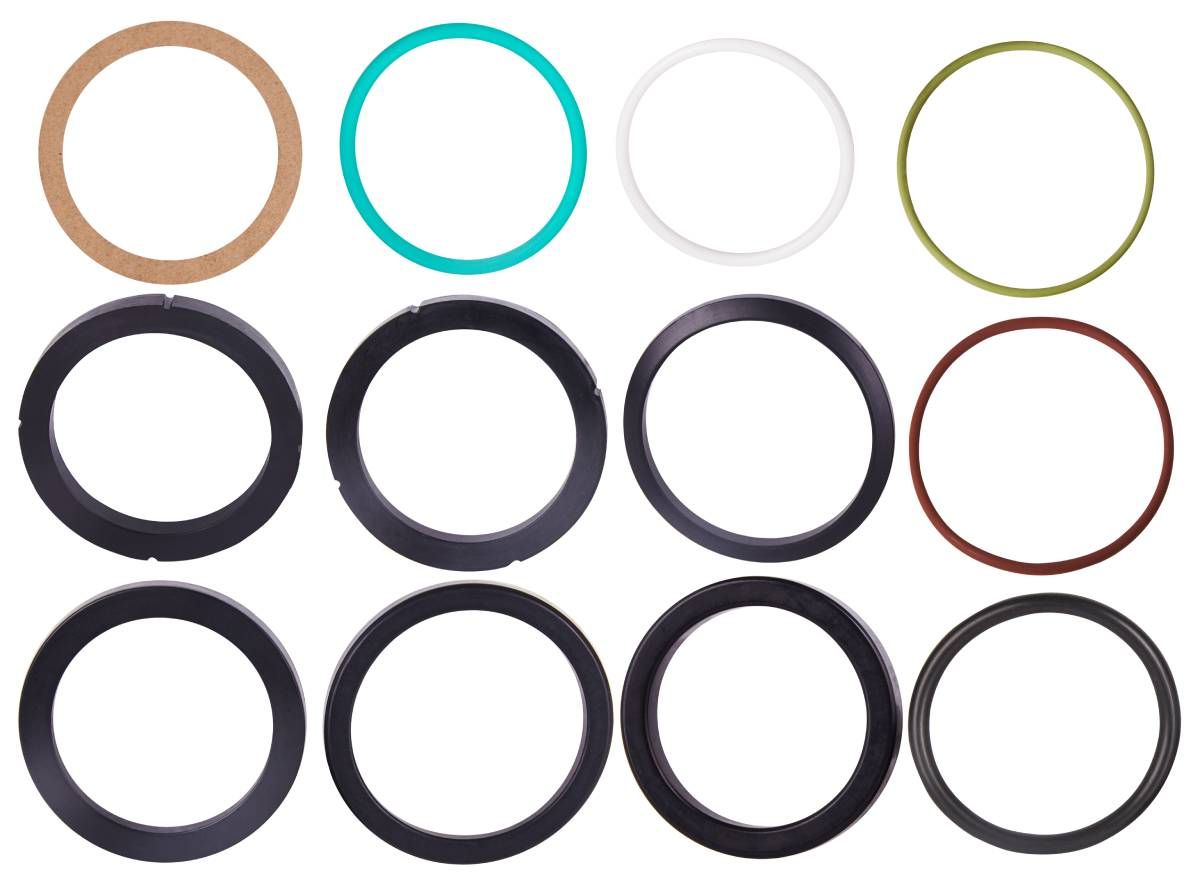
Engineers often need custom o-ring kits with multiple seal options for complex assemblies or maintenance requirements. These kits provide proper sealing across various connection points within a single system.
I.B. Moore Manufacturing’s Custom Approach
Our team produces precision-engineered sealing solutions tailored to specific application requirements. We provide pre-fabricated seals, other sealing solutions, custom sizing, special compounds, and unique configurations that address challenging sealing problems.
Our engineering team analyzes sealing requirements directly with customers and recommends PTFE formulations or other materials. We’re proud of our quality control processes that provide dimensional accuracy and material consistency across production runs.
We Can Help You Explore Custom PTFE Sealing Solutions
Your application demands the reliability and performance that only precision-engineered O-rings can provide. I.B. Moore Manufacturing has unmatched sealing expertise and advanced manufacturing capabilities that deliver custom solutions to meet client specifications. Whether you need a single prototype or complete custom o-ring kits, we’ll provide the technical support and manufacturing excellence your project requires. Contact us in Lexington, KY, for a quote and nationwide service.