When Square O-Rings Are the Best Fit
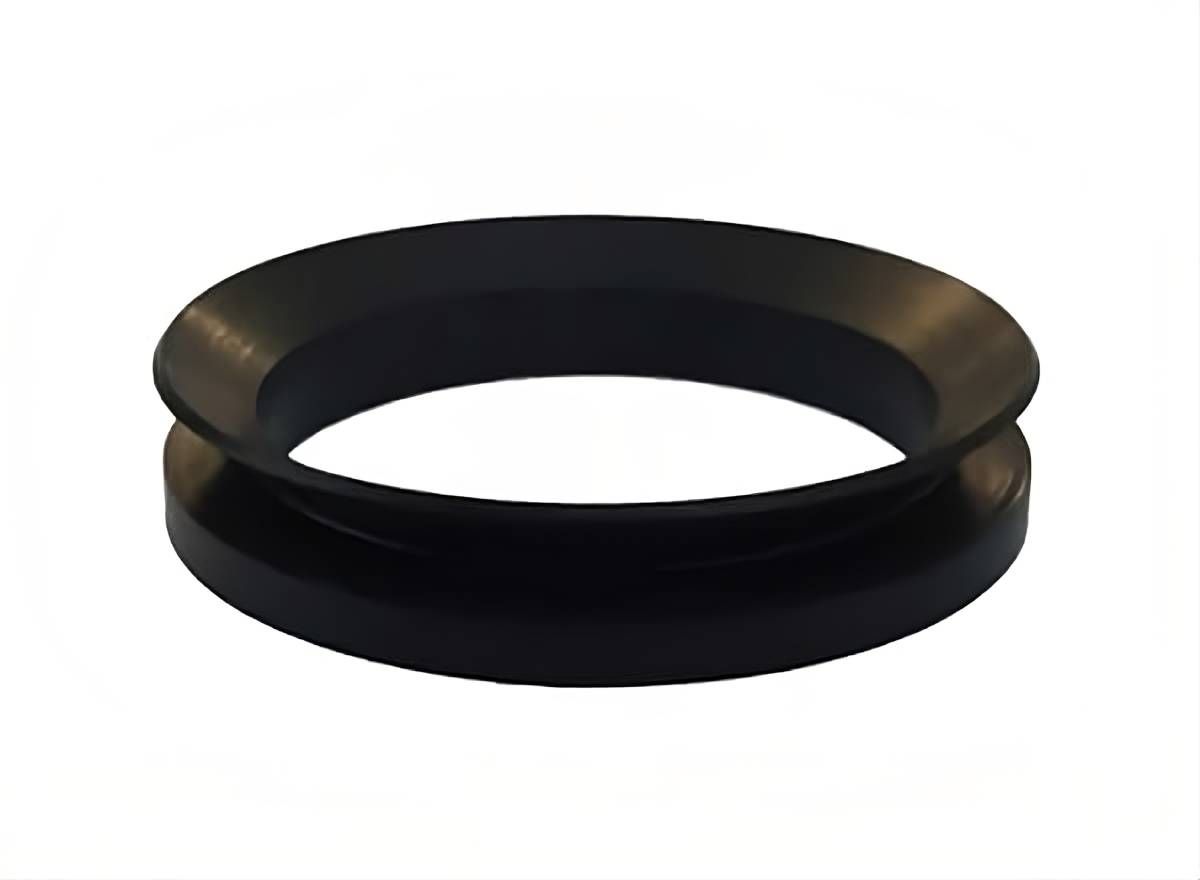
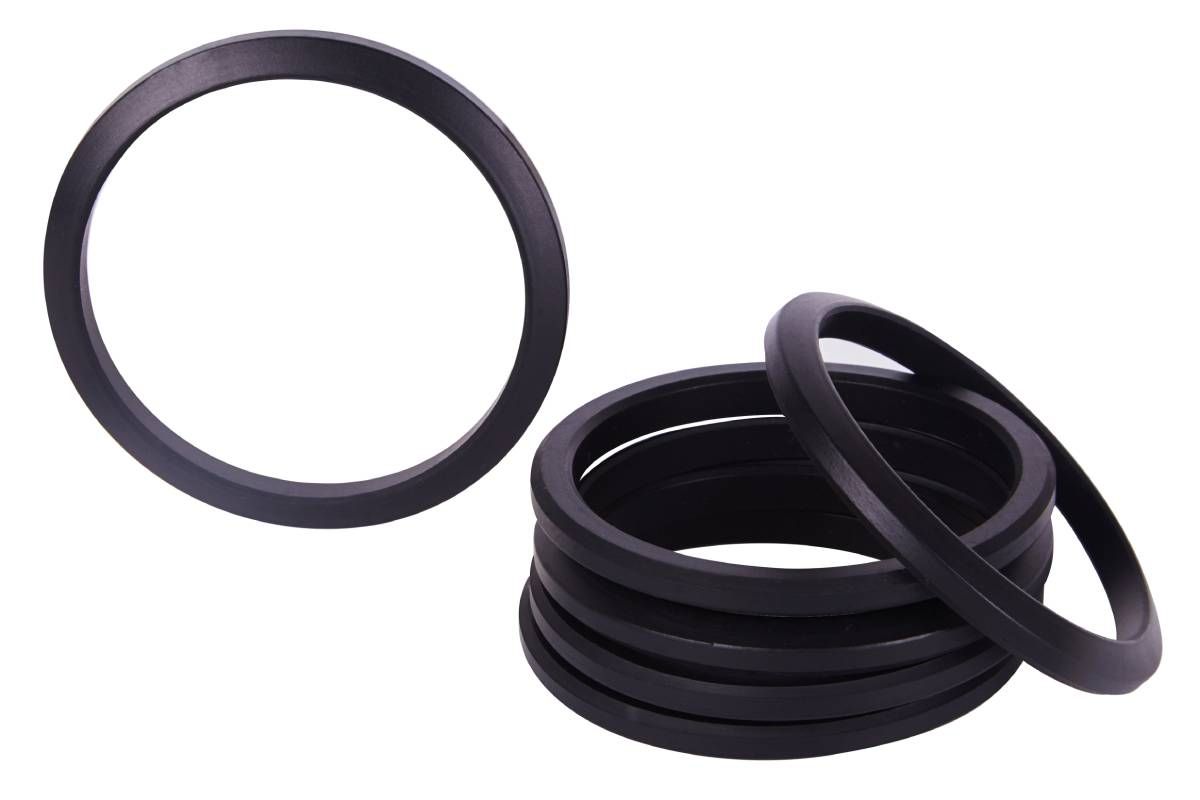
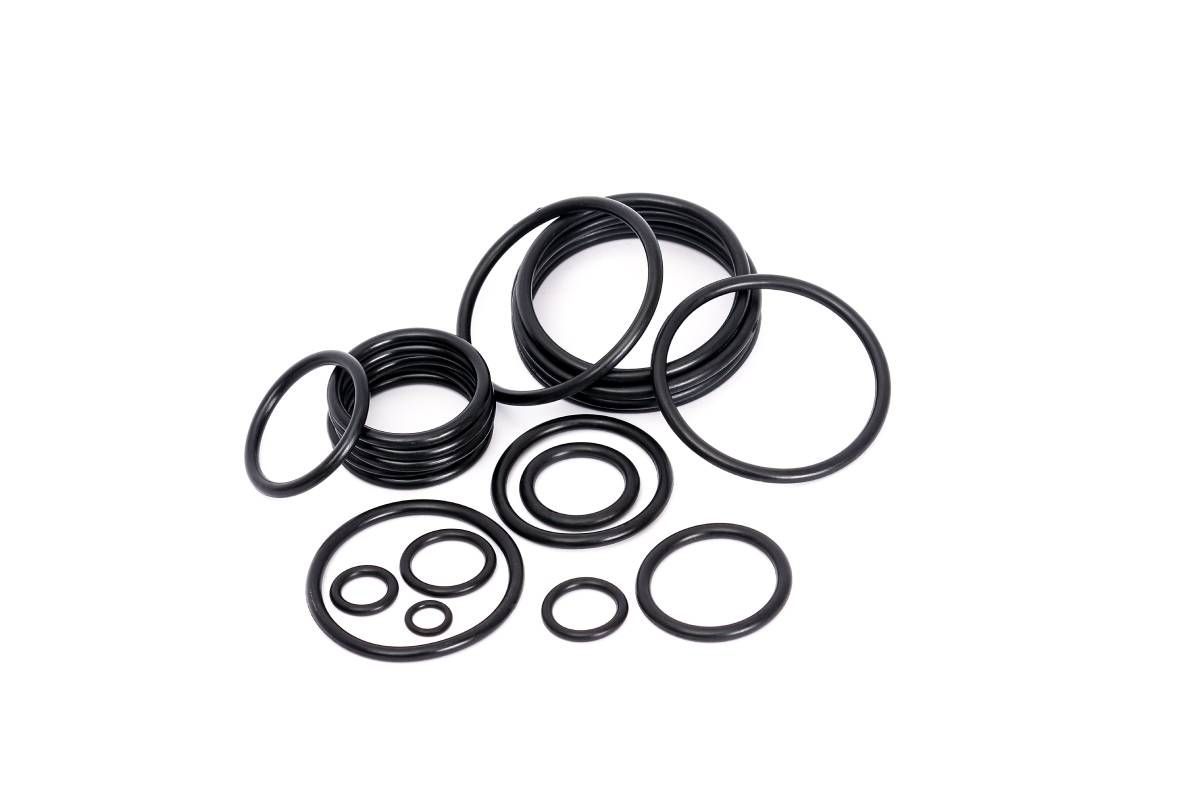
The term “square O-rings” reads like an oxymoron—just like “jumbo shrimp” or “deafening silence.” So, how can something be both square and o-shaped simultaneously? The term is correct; it highlights the specialized nature of these sealing components. They have the circular shape of traditional O-rings, with a square cross-section instead of the conventional round profile.
The I.B. Moore Manufacturing industrial seal experts provide custom O-ring manufacturing and recommend these square rings when round ones won’t do the job well enough. But what makes that choice more advantageous in specific applications?
The Main Advantages of Square O-Rings
In certain situations, square O-rings work better than regular round O-rings. When pressed into place, they touch more surface area, helping them seal better; when squeezed, they change shape to create a tighter seal.
The square edges create multiple points where they block leaks, making them work better when sealing against high pressure or when you can’t install regular O-rings properly. That means improved groove fill, reduced installation damage, and better retention in rectangular or trapezoidal groove configurations.
The primary advantage of square cross-section seals is the increased bearing surface area. It distributes stress more evenly across the sealing interface, reducing the likelihood of extrusion and improving durability. The flat surfaces of the square profile also provide better resistance to rolling and twisting during installation and operation. That’s especially important in dynamic sealing applications where movement occurs between sealed components.
More Things to Like About Square O-Rings
The geometry of these square cross-section seals makes them particularly effective in applications with limited radial space or where traditional round seals would experience excessive compression set. Their ability to maintain sealing tolerance across wider temperature ranges also makes them valuable in thermal cycling applications.
Square o-rings also demonstrate superior performance in reciprocating applications where the seal must remain effective during linear motion. The increased stability of the square profile reduces the tendency for seal rotation or movement within the groove, for consistent sealing contact throughout the operating cycle.
We Recommend Square O-Rings for These Applications
Hydraulic Systems and Heavy Machinery
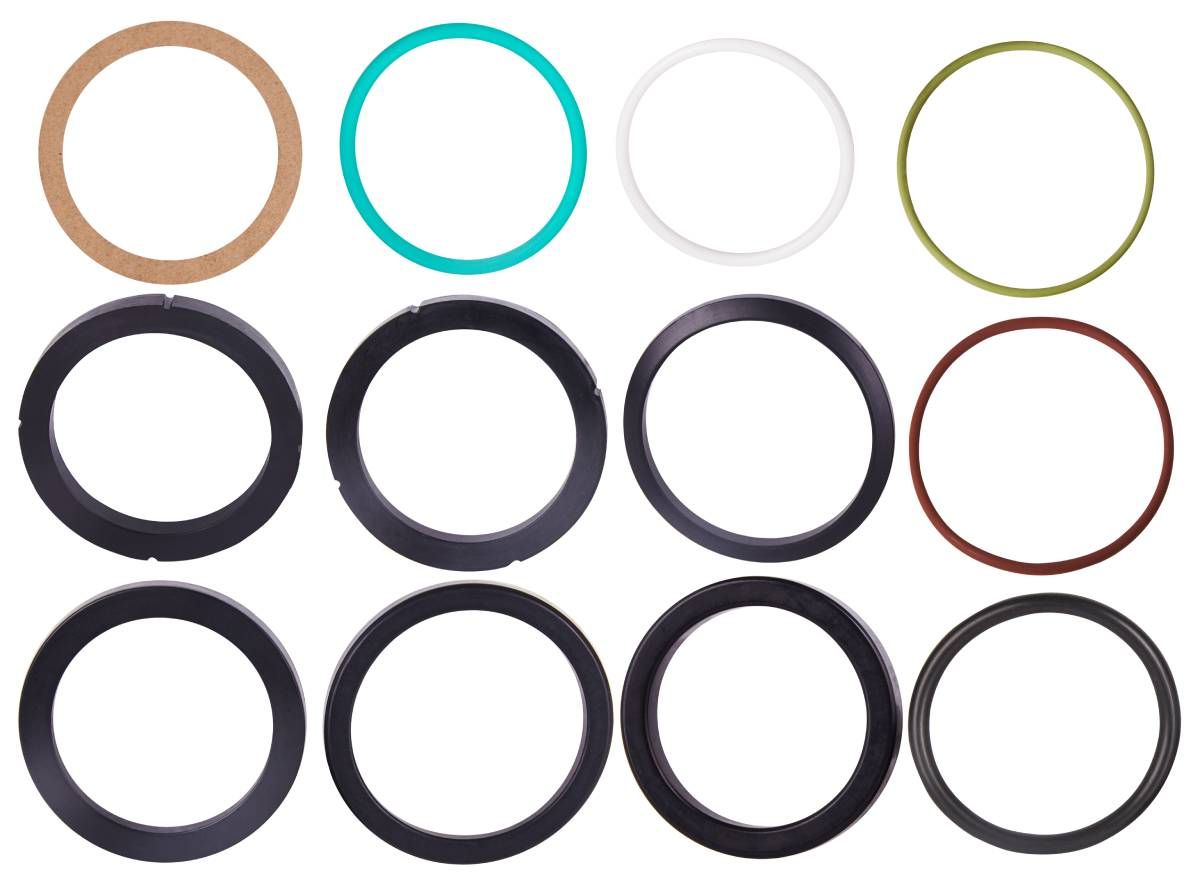
Clients use our hydraulic square ring seal kits extensively in high-pressure hydraulic cylinders, pumps, and valves. The square geometry improves sealing capability against hydraulic fluid leakage and resists the extreme pressures commonly found in industrial hydraulic systems. Construction equipment, agricultural machinery, and manufacturing equipment also incorporate these seals in their hydraulic components.
Automotive Applications
The automotive industry uses square rings in transmission systems, brake components, and engine applications. These seals withstand temperature variations and pressure fluctuations in automotive environments. Power steering systems particularly benefit from the enhanced sealing properties of square cross-section designs.
Aerospace and Defense
Aircraft hydraulic systems, landing gear assemblies, and fuel system components often require the superior sealing performance that square o-rings provide. The seals’ reliability and consistency make them suitable for mission-critical aerospace applications.
Industrial Manufacturing Equipment
Production machinery, injection molding equipment, and processing systems frequently use square O-rings. These applications benefit from the improved resistance to extrusion and enhanced durability that square cross-sections offer under continuous operating conditions.
When NOT to Use Square O-Rings
Square O-rings should not be used in dynamic applications involving reciprocating or rotating motion, as their edges can wear down quickly and cause leaks. They are also not ideal for high-pressure systems or situations requiring flexible sealing, since their rigid shape lacks the conformability of round O-rings.
Avoid using square O-rings in grooves designed for standard round O-rings, as that mismatched geometry can lead to failure. They may also not perform well in extreme temperature fluctuations, where expansion and contraction demand greater elasticity. Lastly, only use square O-rings explicitly designed for static seals and compatible hardware.
Partner with I.B. Moore Manufacturing for Superior Sealing Solutions
Experience the difference that precision-engineered square o-rings can make in your most demanding applications. I.B. Moore Manufacturing combines decades of sealing expertise with state-of-the-art manufacturing capabilities to deliver custom square ring solutions that exceed performance expectations.
Our engineering team works closely with customers to specify each application’s optimal square cross-section geometry, material composition, and dimensional tolerances.
Contact us in Lexington, KY, and learn how our square o-ring solutions can fit—and enhance—the reliability and performance of your critical sealing applications.