Factors to Consider When Selecting a Custom Fabrication Manufacturer
Choosing the right custom fabrication manufacturer can have a direct impact on product performance, production lead times, equipment reliability, and the total cost of ownership. A component that is manufactured with the wrong material, inconsistent dimensions, or inadequate attention to its operating environment can wear prematurely, contribute to equipment failures, and create costly downtime.
That is why selecting a fabrication partner should involve more than comparing prices or determining whether a supplier can manufacture a part to print. An experienced manufacturer can review an application, help identify potential challenges, recommend materials, and suggest design improvements before production begins.
At I.B. Moore Company, LLC, we take this collaborative approach to custom fabrication, helping OEMs and industrial manufacturers develop rubber and urethane components suited to their equipment and operating requirements. When evaluating potential manufacturing partners, consider the following factors.
Look for Specialized Industry Experience
Experience matters when a custom component needs to perform reliably in an industrial application. A manufacturer that regularly serves OEMs and industrial customers is more likely to understand the relationship between part design, materials, tolerances, operating conditions, and long-term performance.
Specialized experience can be particularly important for precision rubber and urethane products. These components may need to withstand repeated mechanical stress, chemicals, temperature variations, abrasion, or other conditions that influence their service life.
At I.B. Moore Company, LLC, our manufacturing services are designed to support OEMs and other industrial customers with application-specific solutions. Rather than viewing every project as simply another production order, we work to understand what the component must accomplish within the overall system.
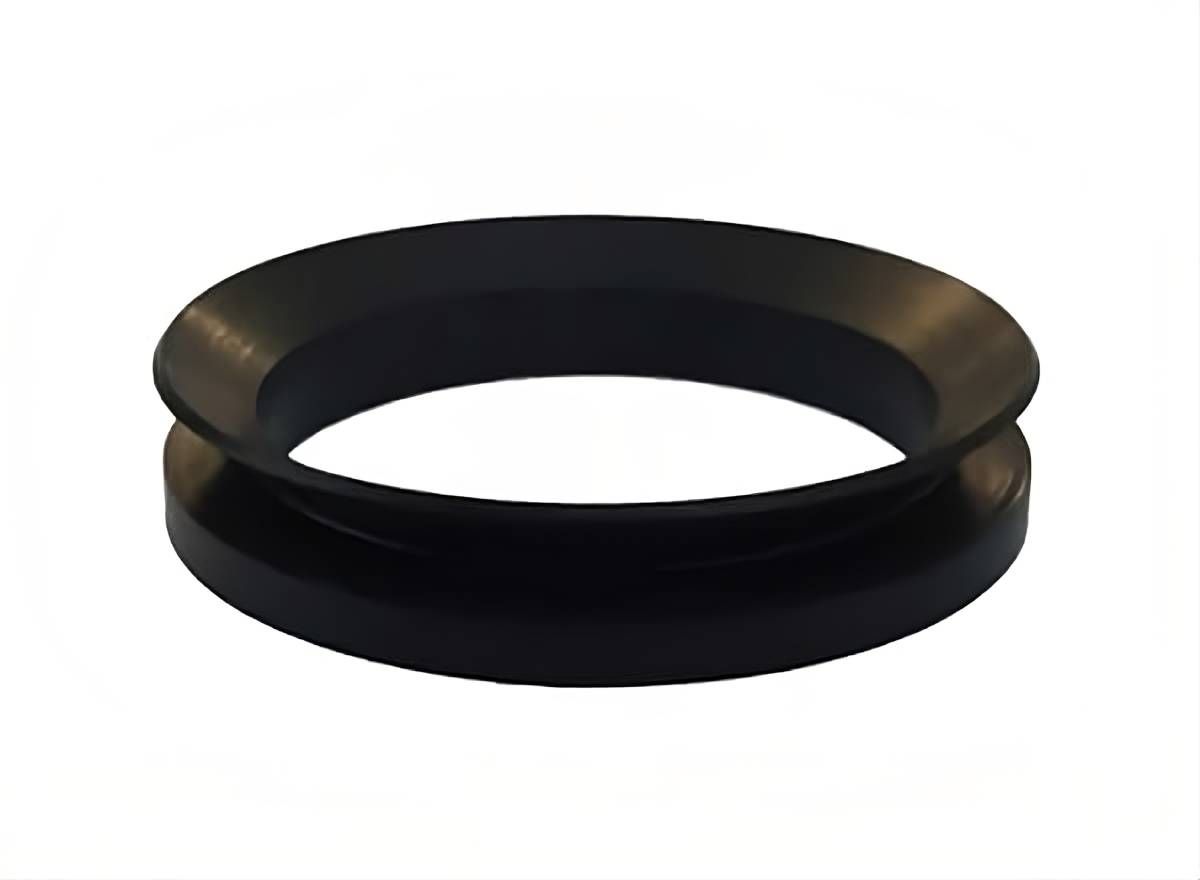
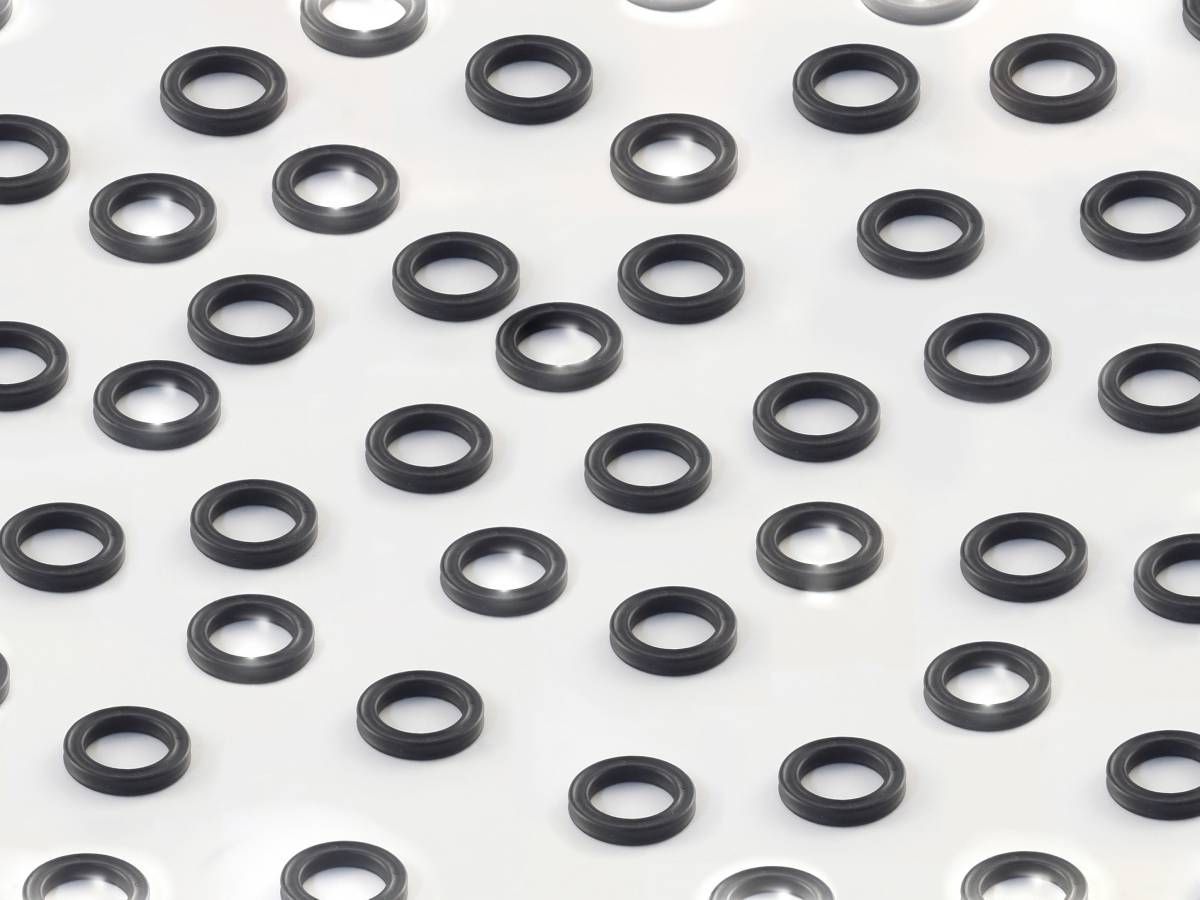
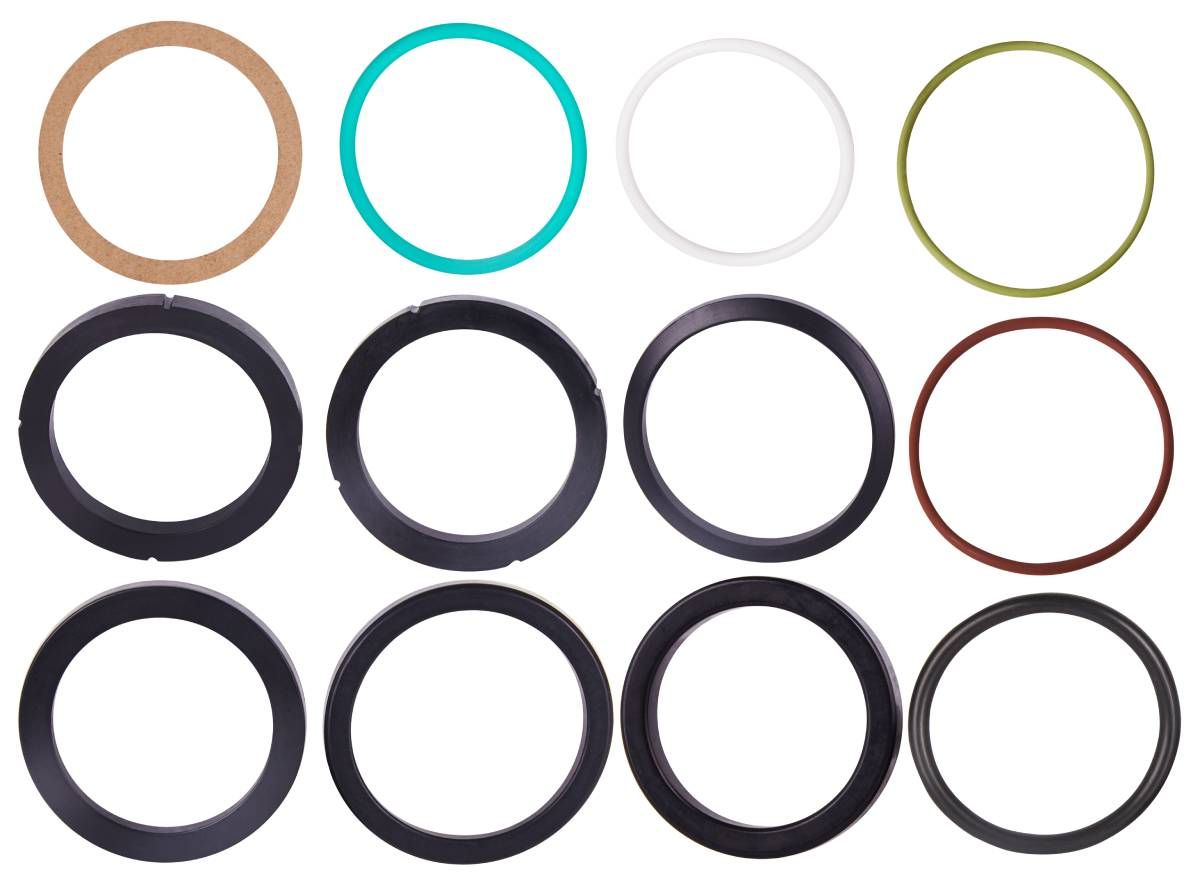
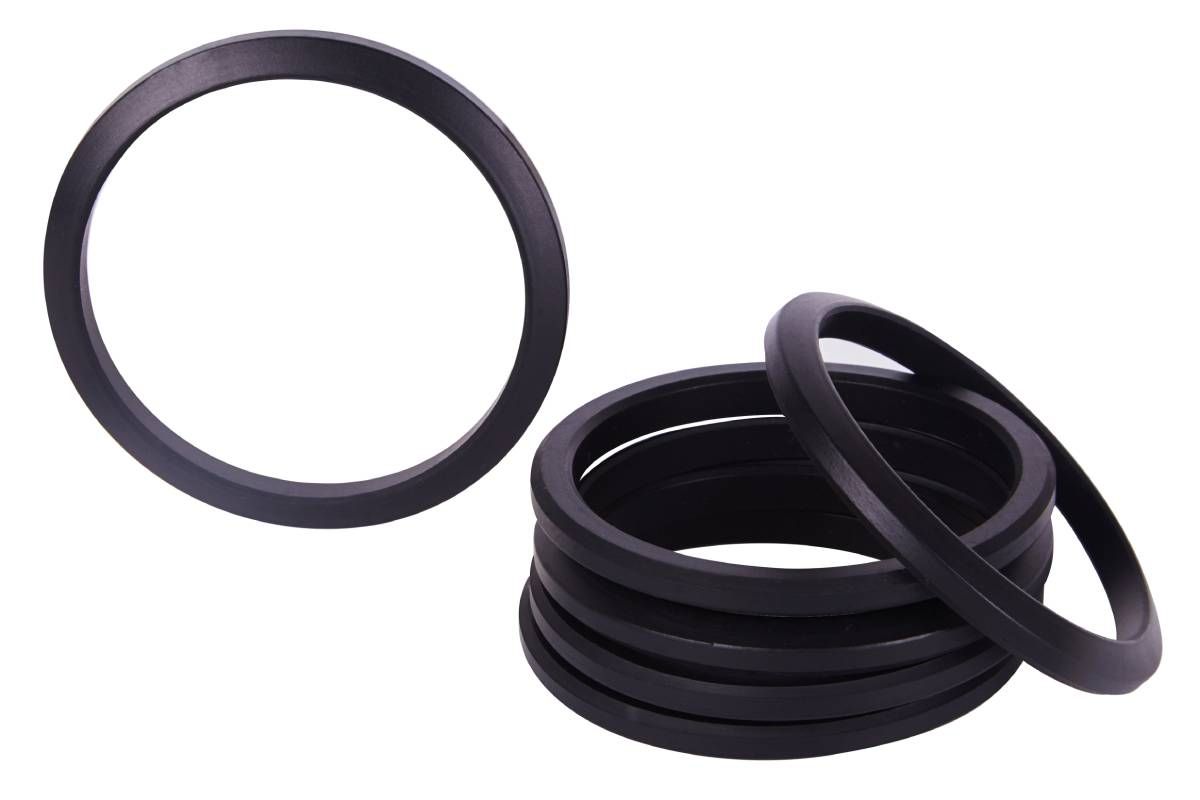
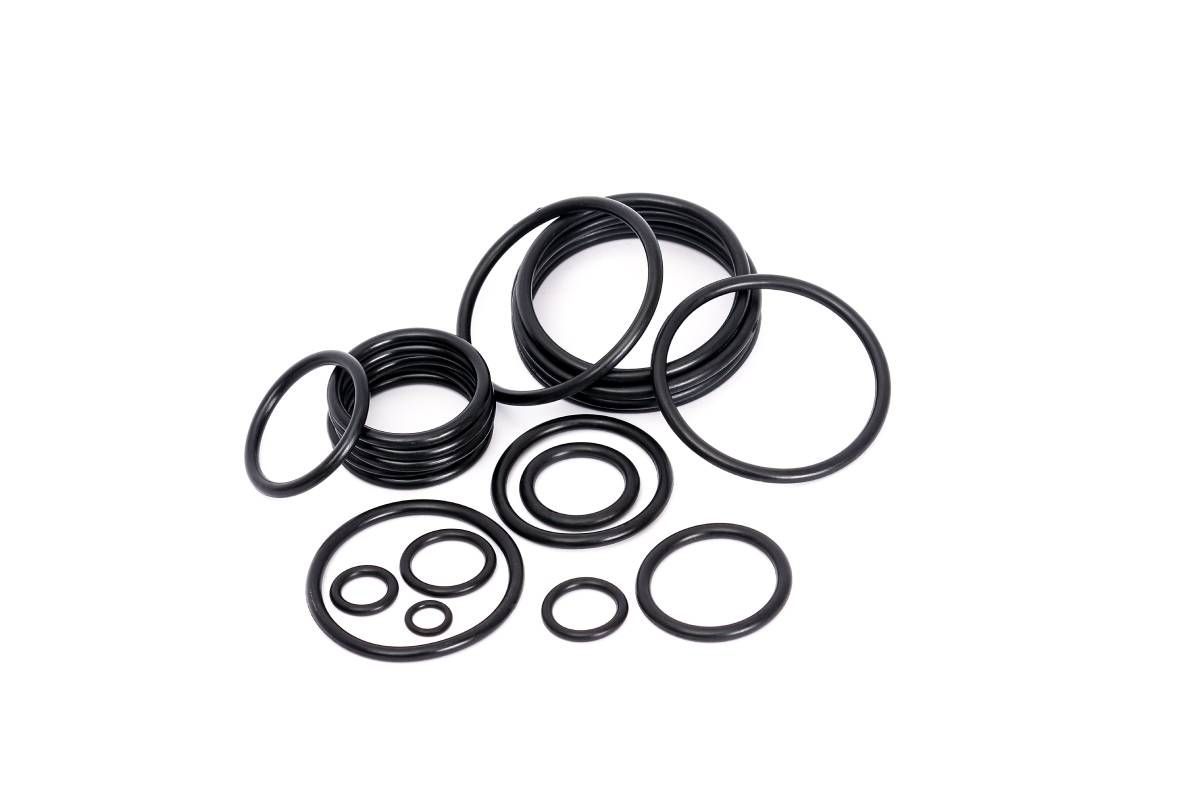
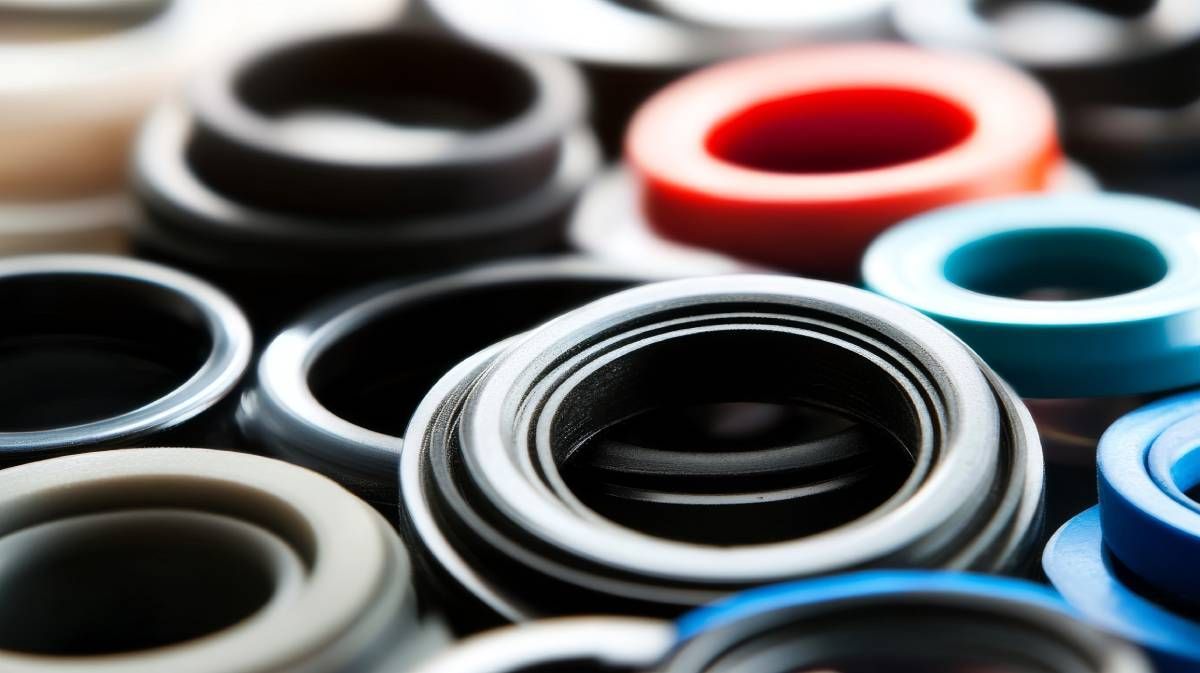
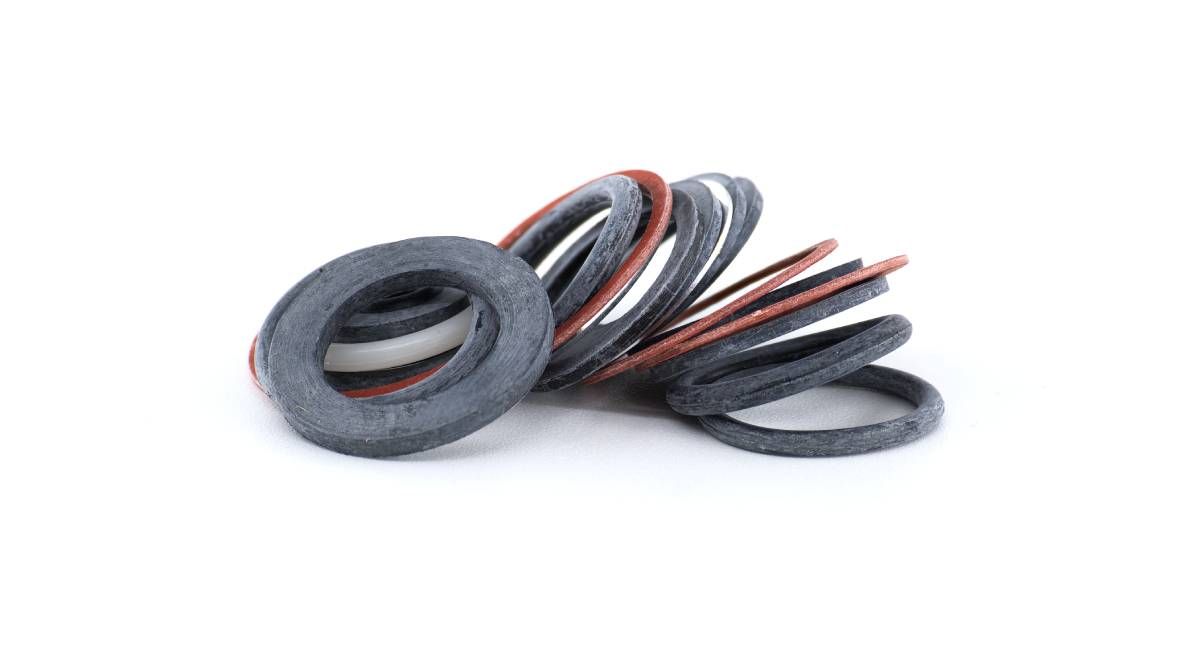
That experience can be valuable whether the application requires custom rubber sealing rings, custom rubber O-rings, custom rubber flange gaskets, or specialized rubber and urethane components.
Evaluate Custom Engineering & Design Support
A strong fabrication partner should be able to provide assistance before manufacturing begins. A print or drawing establishes important dimensions and specifications, but those details may not always account for every factor that affects real-world performance.
We can work with customers to review blueprints, dimensional requirements, material callouts, and the demands of the application. This collaborative process can help identify opportunities to improve durability, fit, or overall component performance.
Prototype development is another important capability. Producing and evaluating a prototype before moving into full production allows manufacturers and customers to assess the design under realistic conditions. Necessary adjustments can then be made before committing to larger quantities.
When evaluating engineering and design support, look for a manufacturer that can:
- Review drawings and blueprint-specific requirements.
- Help determine suitable rubber or urethane materials.
- Develop prototypes for testing and evaluation.
- Recommend practical design or material changes when they can improve performance.
- Transition efficiently from prototype quantities into full production.
The goal should not simply be to reproduce a drawing. The goal should be to manufacture a component that works reliably in its intended application.
Review Manufacturing Capabilities
Manufacturing capabilities determine whether a supplier can support both your immediate project and your needs as products or equipment evolve. Working with a manufacturer that offers multiple fabrication processes can also simplify sourcing when an assembly requires several different types of components.
Our custom fabrication capabilities include solutions for a variety of industrial requirements, such as:
- Custom molded rubber parts and other molded rubber and elastomer parts
- Custom rubber to metal bonding
- Liquid cast urethane products
- Spliced rings and custom sealing solutions
- Prototype through full-production manufacturing
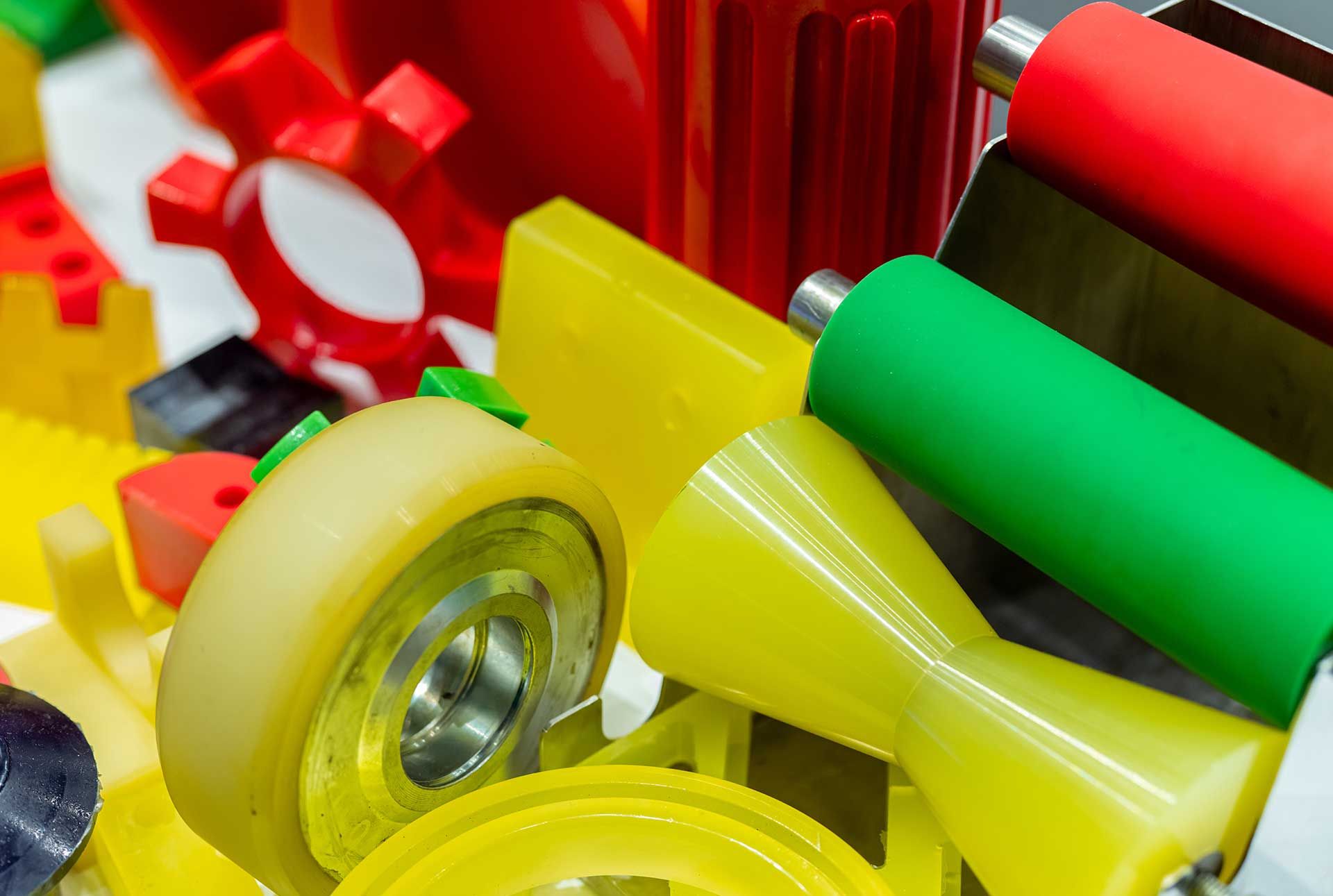
We also manufacture rollers and roller assemblies, including industrial urethane rollers and urethane roller assemblies for equipment requiring durable, precision-manufactured components.
Depending on the broader needs of an operation, additional products such as rubber hoses with fittings and custom maintenance seal kits can also help maintenance teams keep essential equipment operating efficiently.
A manufacturer with diverse capabilities can become a more useful long-term resource because customers do not have to start over with a new supplier every time an application changes.
Material Expertise Is Just as Important as Equipment
Manufacturing equipment alone does not determine whether a component will perform successfully. The material selected for the application can be just as important as the process used to manufacture it.
Rubber and urethane compounds can have significantly different performance characteristics. Before choosing a material, factors such as chemical exposure, abrasion, hardness, temperature, flexibility, environmental conditions, and mechanical demands should be considered.
For example, a material that performs well in one operating environment may deteriorate rapidly when exposed to a different chemical or temperature range. Similarly, selecting a compound with inappropriate hardness or abrasion resistance can shorten component life.
Our molded rubber manufacturing services incorporate material selection as an important part of developing a custom solution. We consider the intended application so the selected material provides the physical properties needed for dependable performance.
The right material choice can help extend equipment life, reduce replacement frequency, and minimize unplanned downtime. Over the life of the component, those improvements can matter considerably more than a small difference in initial part cost.
Prioritize Quality Control & Consistency
A successful prototype is only valuable if the manufacturer can reproduce that performance consistently across future production orders.
Precision components often require tight manufacturing tolerances to maintain fit, function, and performance. Small dimensional variations can create sealing problems, inconsistent roller performance, premature wear, or difficulty during installation.
Quality processes should therefore be a major consideration when comparing fabrication manufacturers. Look for a supplier with documented quality procedures, reliable inspection practices, and the ability to maintain consistent standards from one production run to the next.
Our commitment to quality includes ISO-certified processes and close attention to manufacturing tolerances. Consistency is especially important when customers depend on replacement components to perform the same way every time they are installed.
Reliable quality control can ultimately reduce rejected parts, field failures, unexpected maintenance, and the indirect costs associated with unreliable equipment.
Consider Long-Term Partnership Value
The lowest unit price does not necessarily represent the lowest total cost. Communication, responsiveness, technical support, product reliability, and the ability to solve problems can all affect the long-term value of a manufacturing relationship.
A dependable fabrication partner should make it easier to move a project forward rather than adding unnecessary delays. That includes responding to questions, reviewing specifications efficiently, providing timely quotes, and communicating clearly throughout the manufacturing process.
It is also important to consider what happens after the first order. Can the manufacturer scale production when demand increases? Can they help troubleshoot a recurring application issue? Can they recommend an alternative material when operating conditions change?
We believe long-term manufacturing relationships should be built around ongoing technical support and problem-solving, not simply order fulfillment. You can learn more about our history, experience, and approach on our About I.B. Moore page.
Choose a Custom Fabrication Manufacturer That Supports the Entire Application
Selecting a custom fabrication manufacturer requires looking beyond equipment lists and initial pricing. Specialized industry experience, engineering support, manufacturing capabilities, material knowledge, quality control, and responsive service all contribute to the performance and value of the finished component.
The right partner should be capable of helping you evaluate the complete application, from drawings and material selection to prototypes and ongoing production.
At I.B. Moore Company, LLC, we work with customers to develop custom rubber and urethane solutions for demanding industrial applications. Whether your project involves custom rubber O-rings, custom rubber sealing rings, custom rubber flange gaskets, custom rubber to metal bonding, industrial urethane rollers, urethane roller assemblies, or another specialized component, we can help evaluate your requirements and determine the right approach.
Have a drawing or project specification ready for review? Request a quote to discuss your application and learn more about our custom fabrication solutions.