Importance of Material Quality in Roller Assembly
Why Material Selection Matters
in Roller Assembly Performance
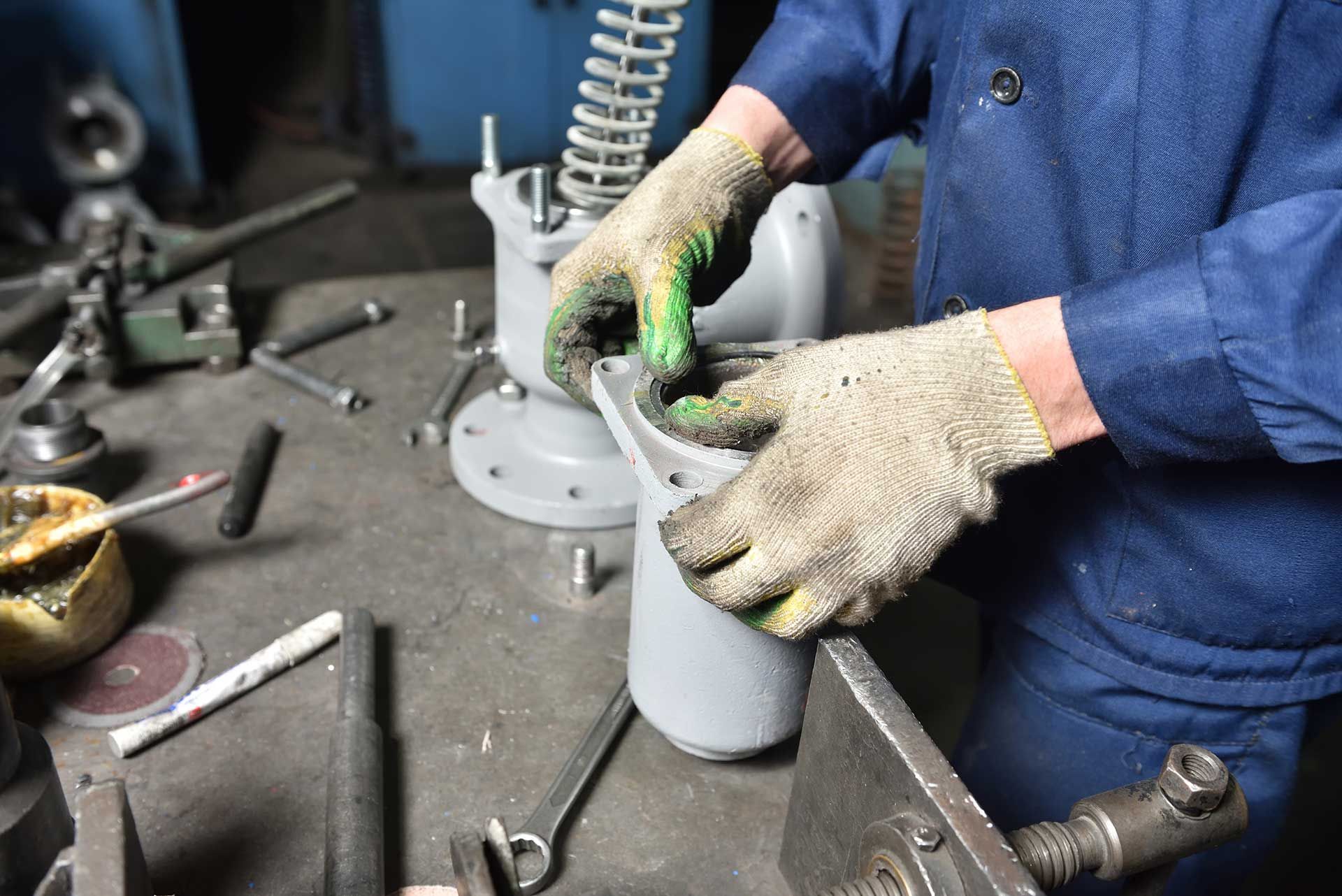
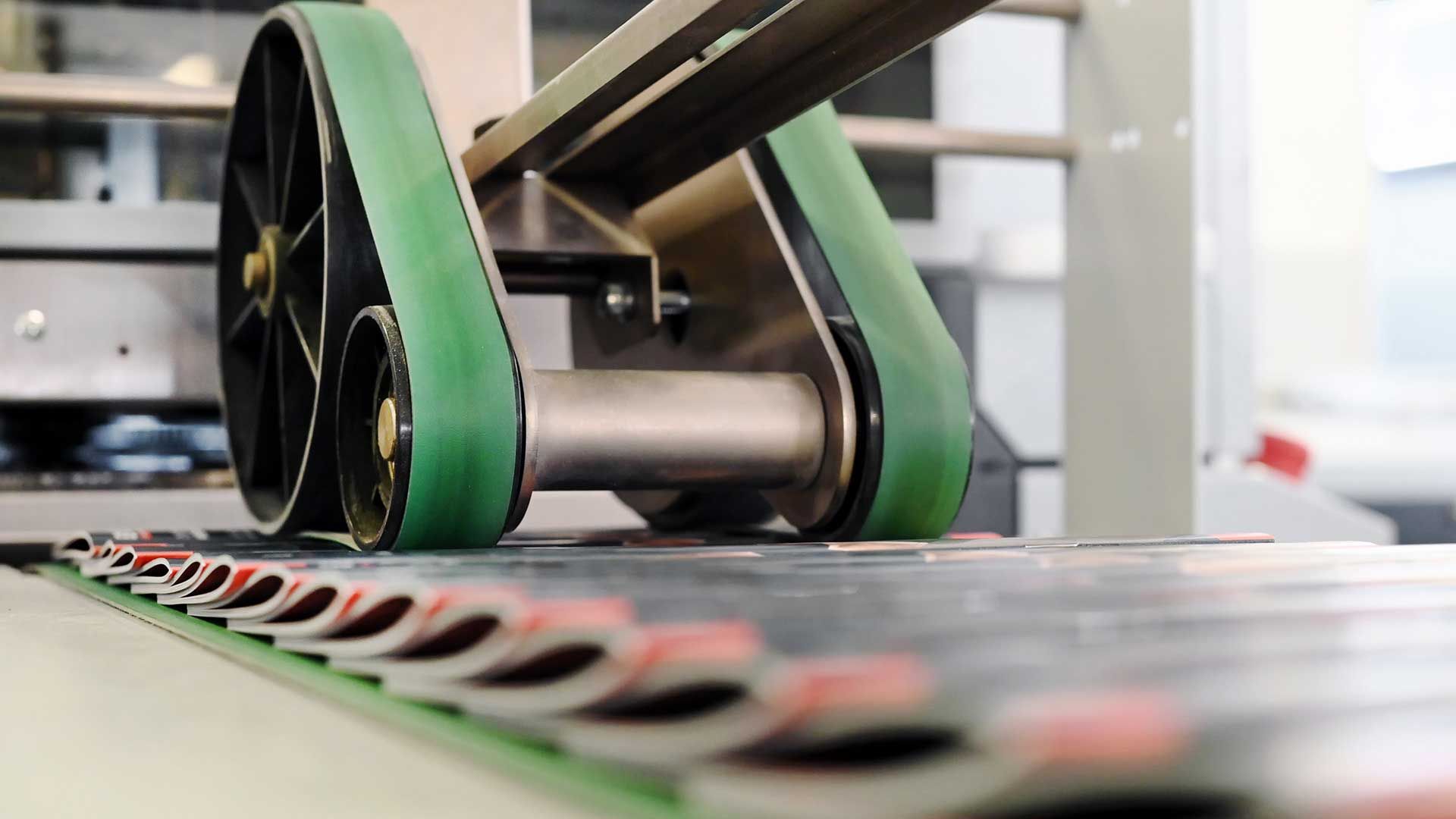
In industrial manufacturing environments, roller assemblies are often overlooked until performance issues arise. However, the quality of materials used in a roller assembly directly impacts equipment reliability, production efficiency, maintenance costs, and overall operational lifespan.
Whether used in automotive manufacturing, aerospace production, food processing facilities, agricultural equipment, oil and gas operations, or heavy industrial machinery, roller assemblies play a critical role in moving, guiding, coating, conveying, and processing materials. Choosing high-quality materials is essential to ensure these components can withstand demanding operating conditions while maintaining precision and consistency.
Common Materials Used in High-Quality Roller Assemblies
Polyurethane (Urethane)
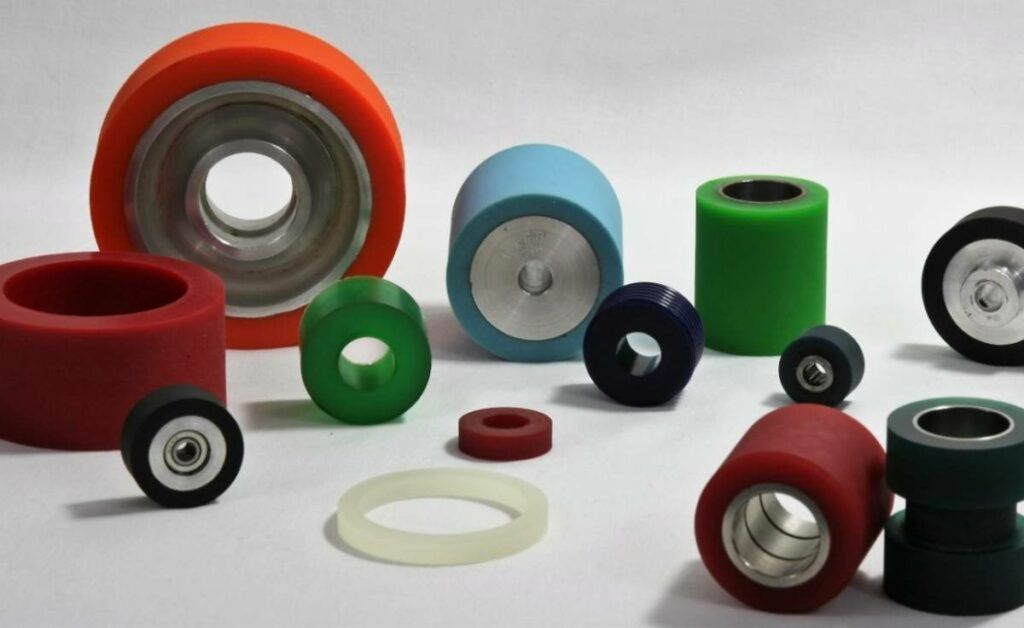
Polyurethane is one of the most widely used materials for industrial roller coverings due to its unique combination of durability and flexibility.
Benefits include:
- Exceptional abrasion resistance
- High load-bearing capacity
- Excellent tear strength
- Resistance to oils, chemicals, and solvents
- Reduced noise and vibration
- Long service life
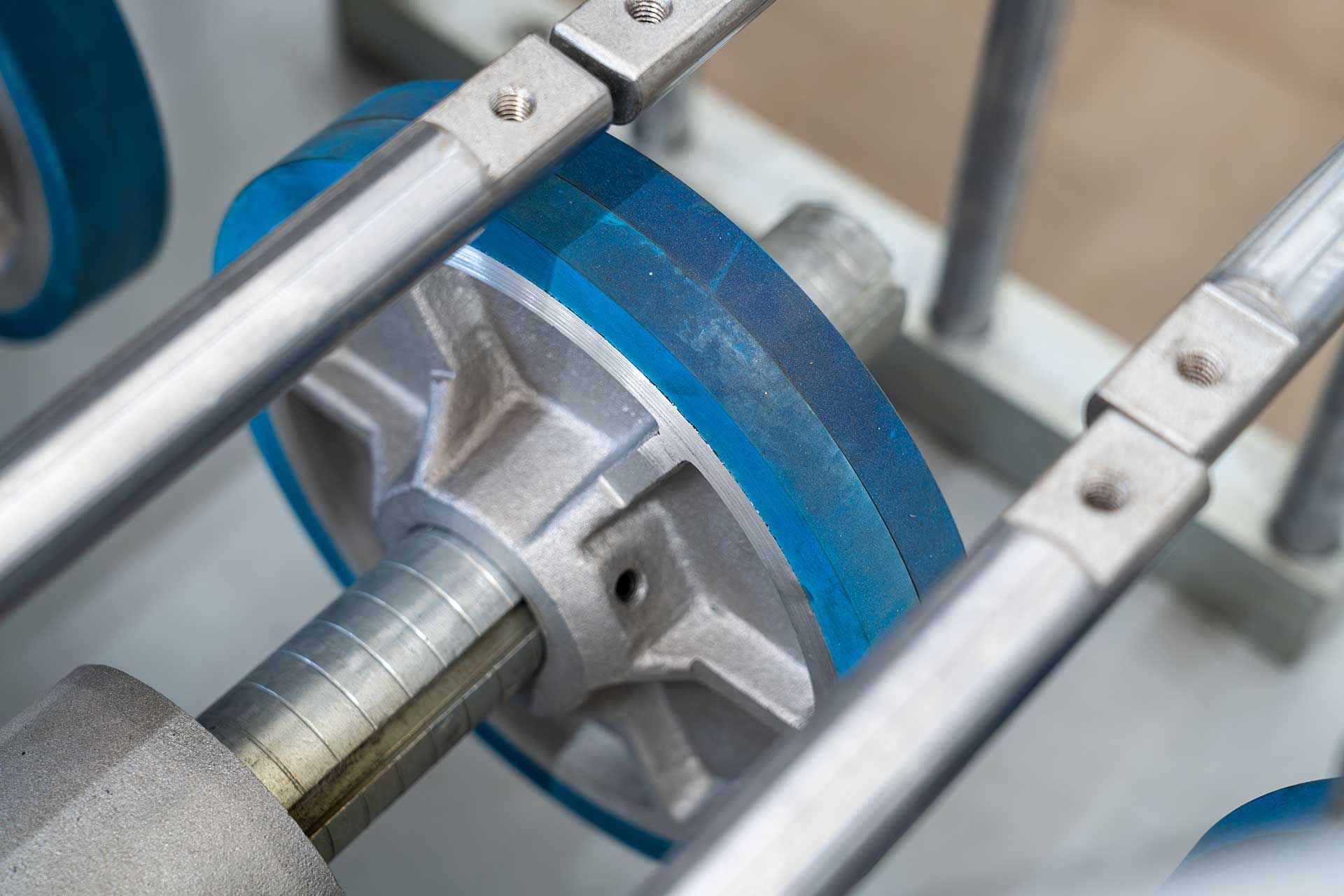
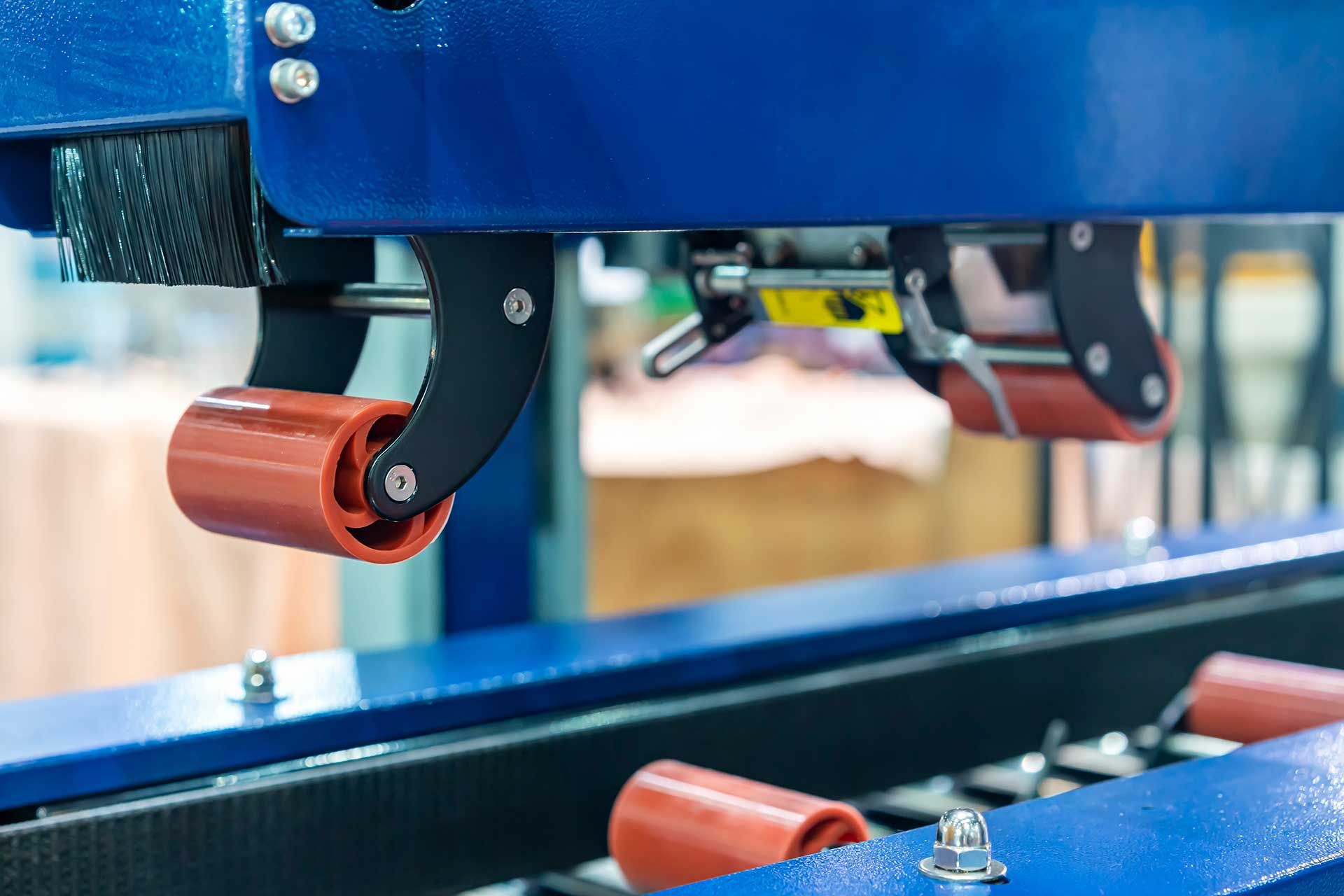
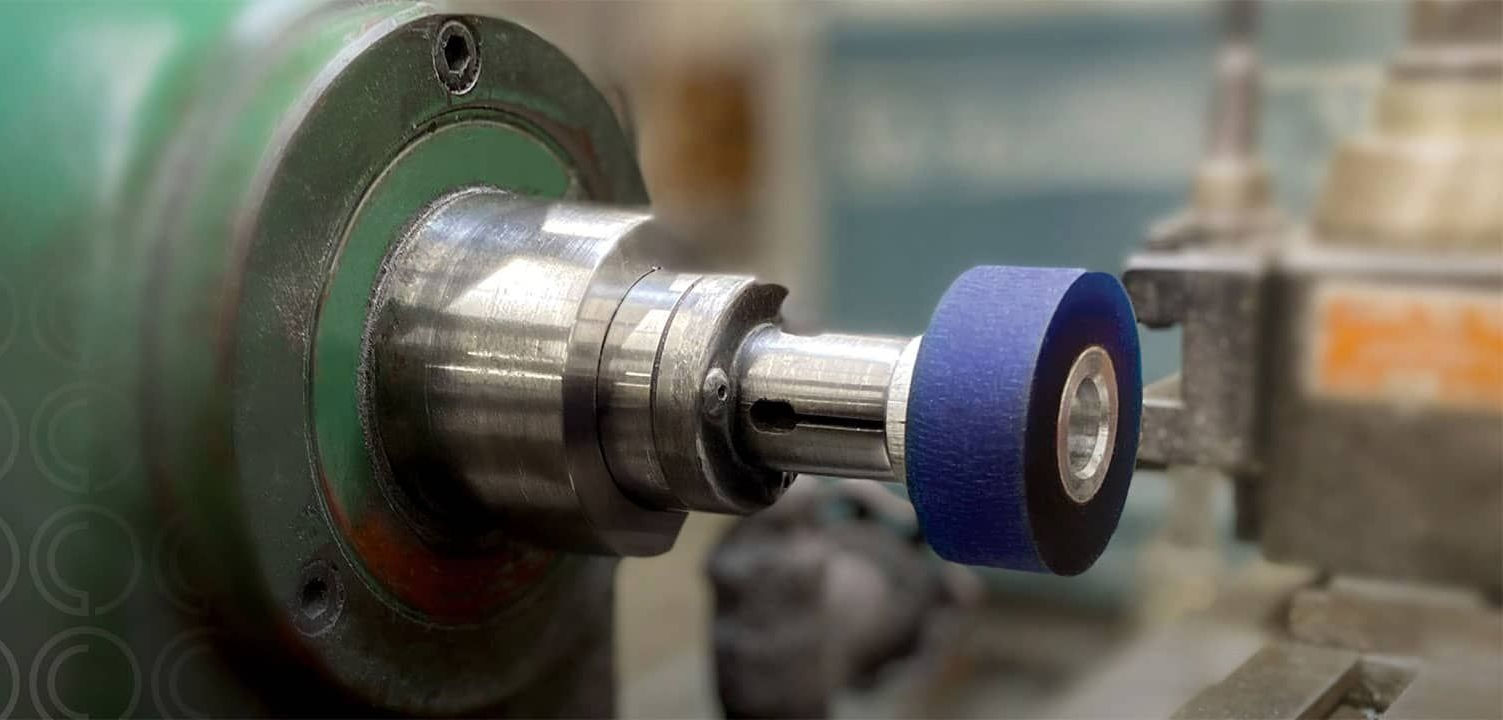
High-performance Industrial Urethane Rollers are frequently used in applications where standard rubber materials wear out too quickly. Urethane compounds can also be custom formulated to meet specific hardness, temperature, and chemical resistance requirements.
Steel
Steel is commonly used for roller cores and shafts because of its strength and structural stability.
Advantages include:
- High load capacity
- Excellent dimensional stability
- Resistance to deformation under heavy loads
- Compatibility with precision machining
Carbon steel and stainless steel are among the most common choices depending on environmental requirements.
Stainless Steel
For industries requiring sanitary conditions or corrosion resistance, stainless steel is often the preferred option.
Common applications include:
- Food processing
- Pharmaceutical manufacturing
- Chemical processing
- Marine environments
Stainless steel provides excellent corrosion resistance while maintaining structural integrity in harsh operating conditions.
Rubber Compounds
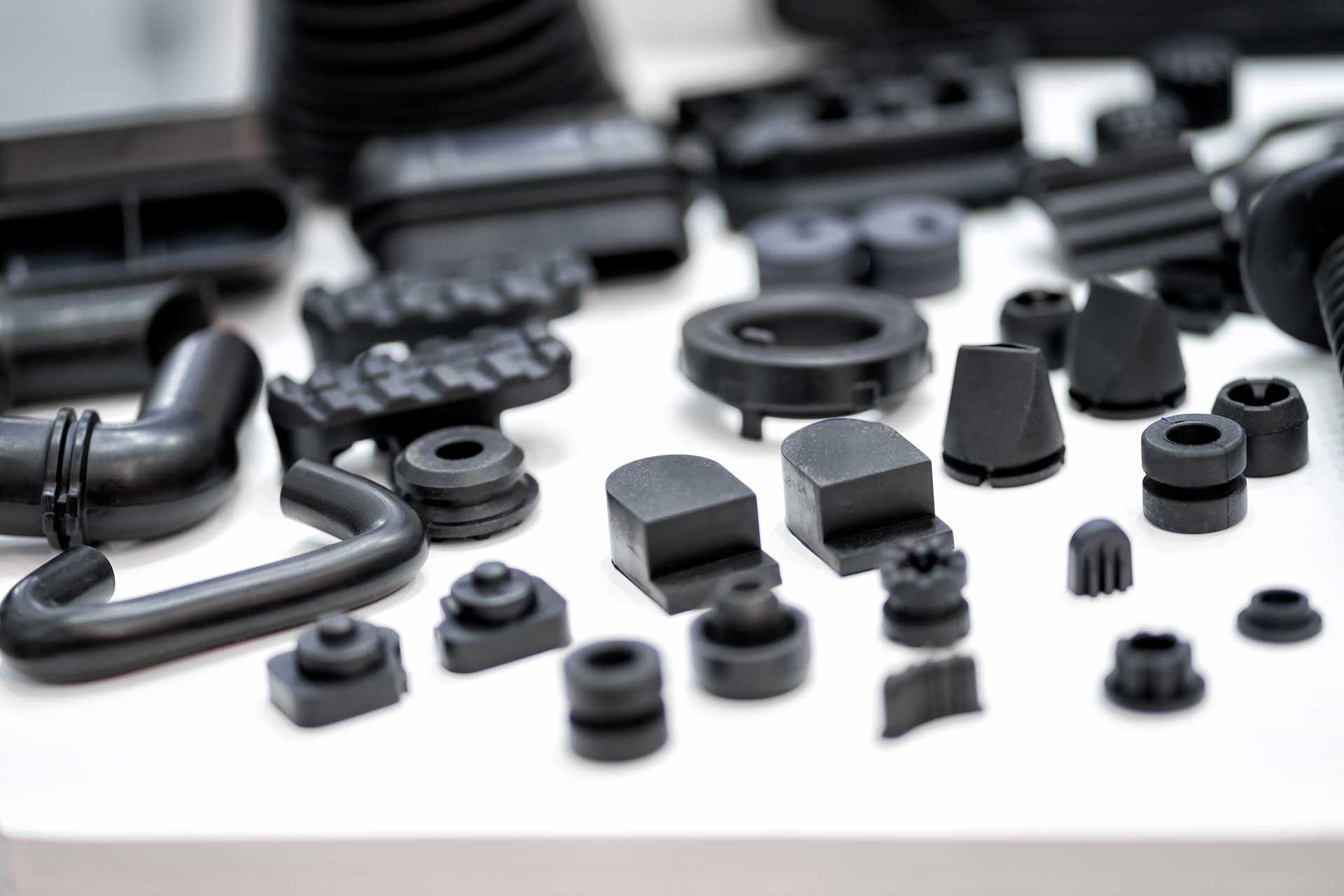
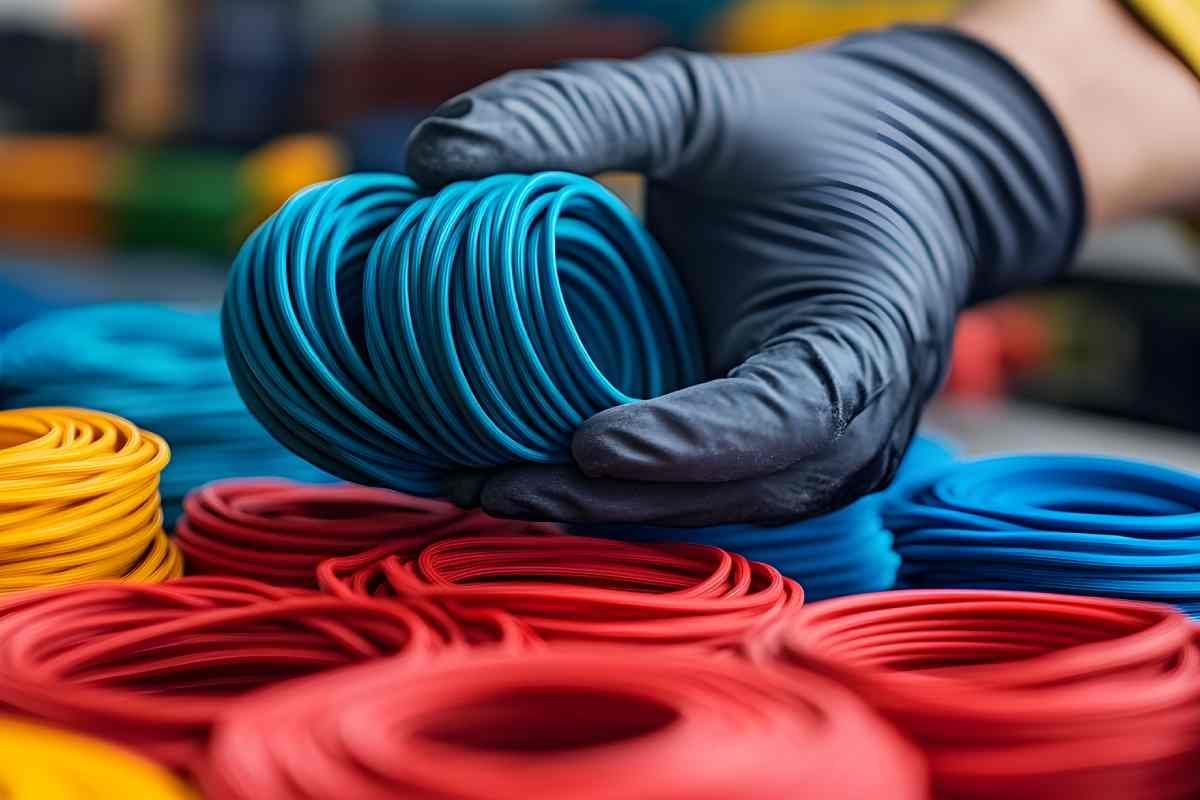
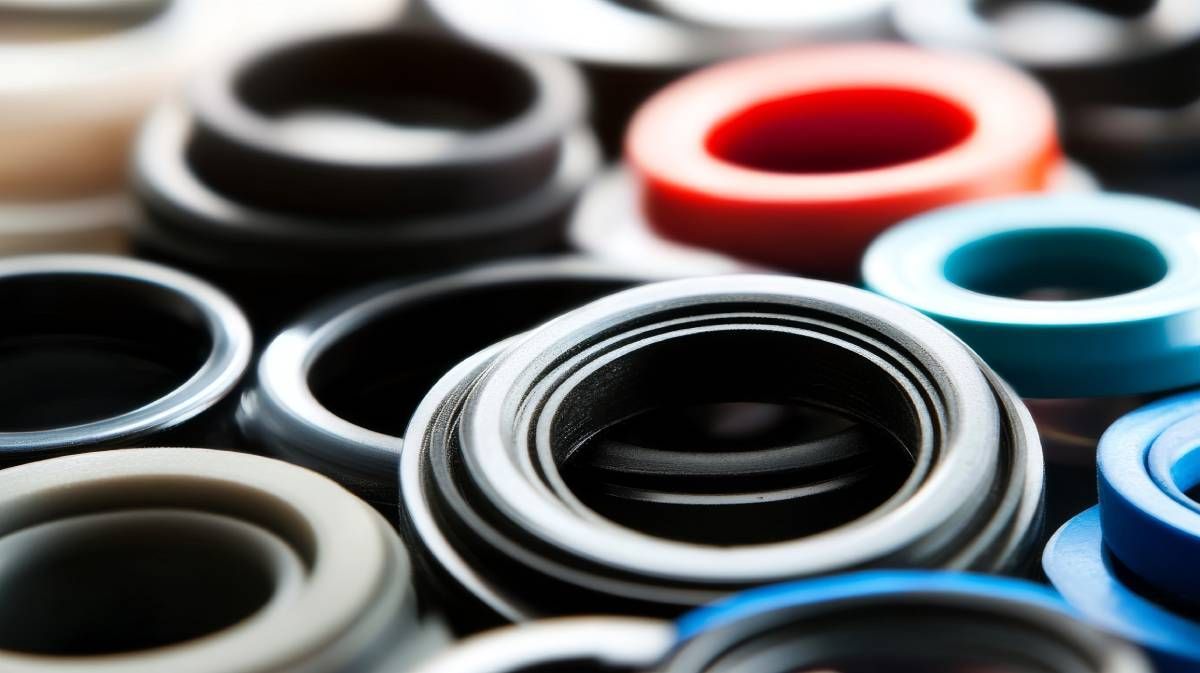
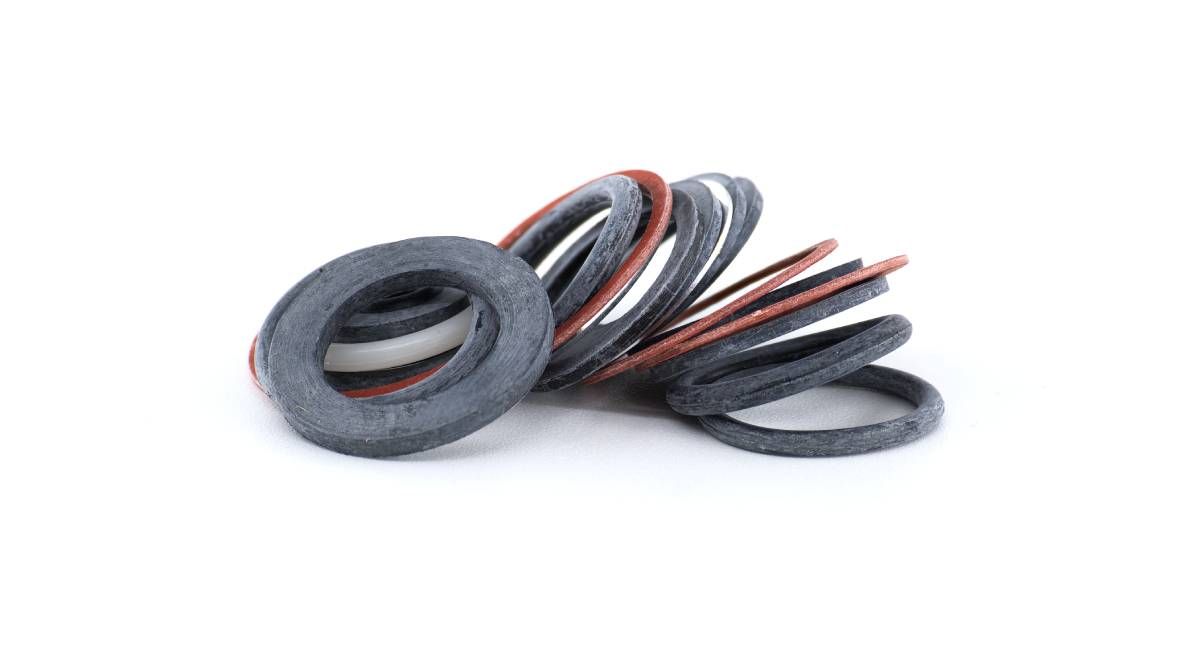
Various rubber materials are used depending on application requirements, including:
- Natural Rubber
- Nitrile (NBR)
- EPDM
- Neoprene
- Silicone
Rubber offers flexibility and grip characteristics that may be desirable in certain conveying and processing applications.
Why Material Quality Matters for Custom Roller Solutions
Most industrial applications require more than an off-the-shelf roller. Custom roller assemblies are often designed to address specific requirements such as:
- Unique load capacities
- Specialized chemical exposure
- Extreme temperatures
- Precision tolerances
- Food-grade compliance
- High-speed operation
- Non-standard dimensions
In these situations, material selection becomes even more critical.
Custom-engineered urethane roller assemblies can be formulated and manufactured to meet exact operating conditions, ensuring maximum performance and longevity.
Industry-Specific Material Considerations
Automotive Manufacturing
Automotive facilities require rollers that can withstand:
Continuous operation
High cycle counts
Abrasive materials
Precision positioning requirements
High-performance urethane and precision-machined steel components are commonly preferred.
Aerospace Applications
Aerospace manufacturing demands:
Tight tolerances
Consistent material properties
Long-term reliability
Strict quality documentation
Material traceability and precision manufacturing are often mandatory.
Food Processing
Food-grade applications require materials that offer:
FDA compliance
Corrosion resistance
Easy cleaning
Resistance to moisture and chemicals
Stainless steel cores combined with approved urethane compounds are common solutions.
Oil and Gas Operations
Rollers used in oil and gas environments must withstand:
Harsh chemicals
Heavy loads
Abrasive conditions
Extreme temperatures
Premium-grade materials are essential to maintain equipment reliability.
Key Questions to Ask Your Roller Assembly Supplier
- What materials are used in the roller core and covering?
- Are custom urethane formulations available?
- What quality control processes are implemented?
- Are materials traceable and documented?
- What industries does the manufacturer serve?
- Can the assembly be engineered for specific operating conditions?
- What testing is performed before shipment?
Contact Us Today to Request a Quote
for Reliable Roller Assembly Solutions!
The performance, reliability, and service life of a roller assembly are directly influenced by the quality of the materials and manufacturing processes behind it. Premium polyurethane compounds, precision-ground steel cores, tight-tolerance machining, and high-performance bearings work together to deliver superior load capacity, outstanding abrasion resistance, and long-term operational reliability.
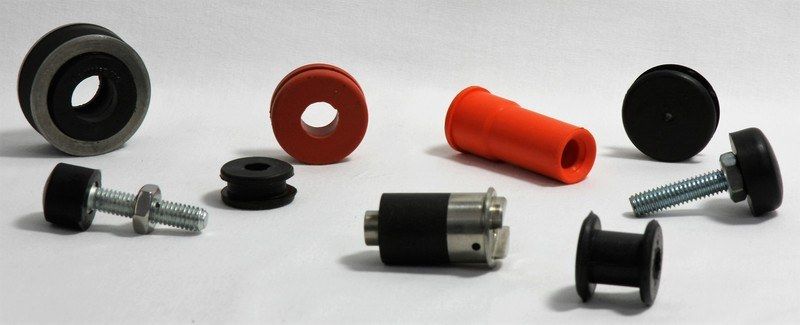
For OEMs and industrial manufacturers that depend on custom-engineered components, investing in high-quality industrial urethane rollers and urethane roller assemblies helps maximize equipment performance while minimizing maintenance requirements and costly downtime. With material options ranging from urethane, silicone, neoprene, and nitrile to conductive urethane formulations for static dissipation, custom roller solutions can be tailored to meet specific application requirements, hardness ranges, environmental conditions, and performance objectives.
By partnering with an experienced manufacturer like I.B. Moore Company, LLC, we prioritize using premium materials, precision tolerances, and proven production processes to extend equipment life, improve operational efficiency, and reduce total ownership costs across our clients' operations. Whether supporting prototype development, replacement components, or full-scale production, quality roller assemblies provide the durability and consistency required to keep critical machinery running at peak performance.
Contact us today to discuss your requirements and find the perfect rollers and roller assemblies for your needs or request a quote!