What Materials Do Gaskets Come In?
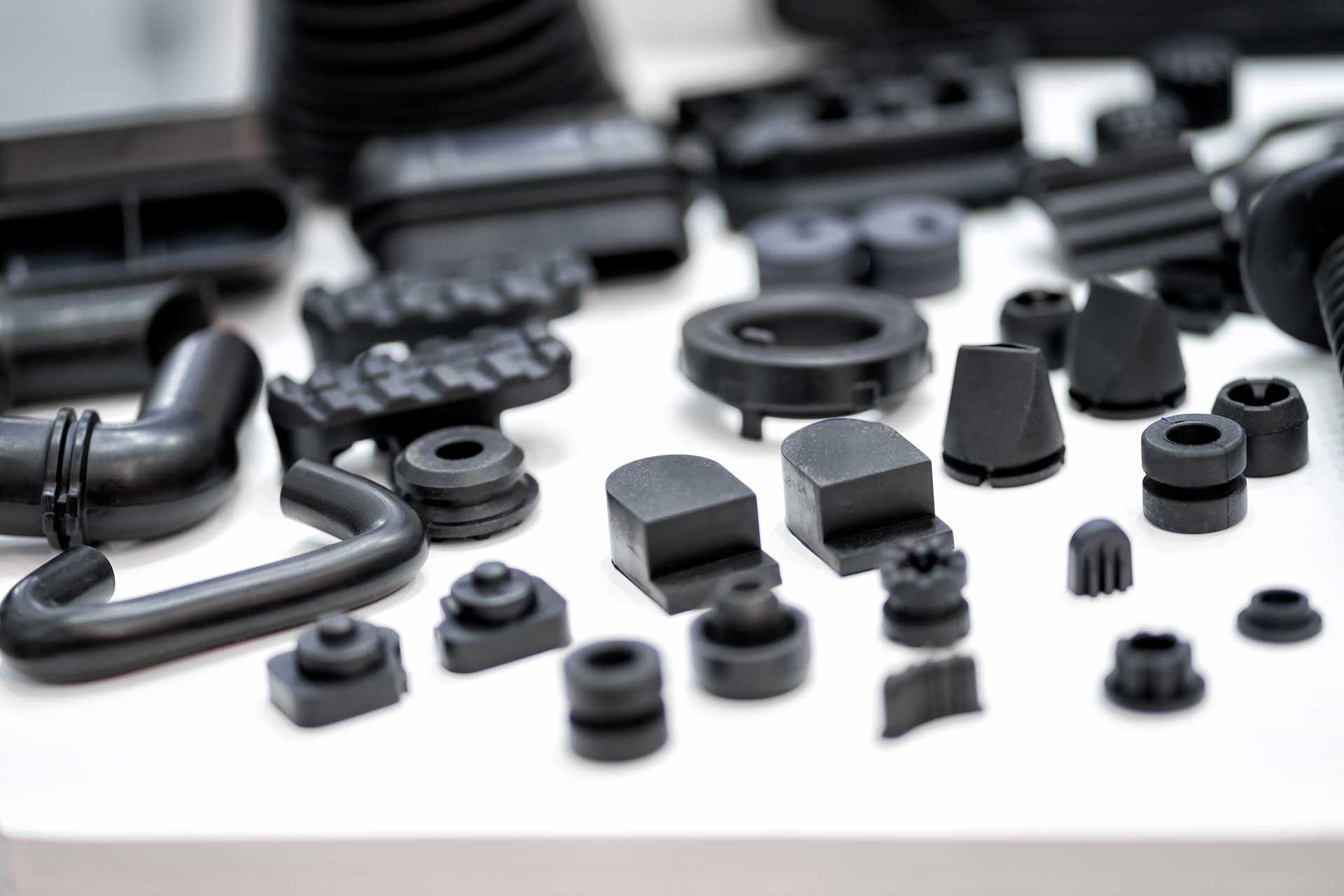
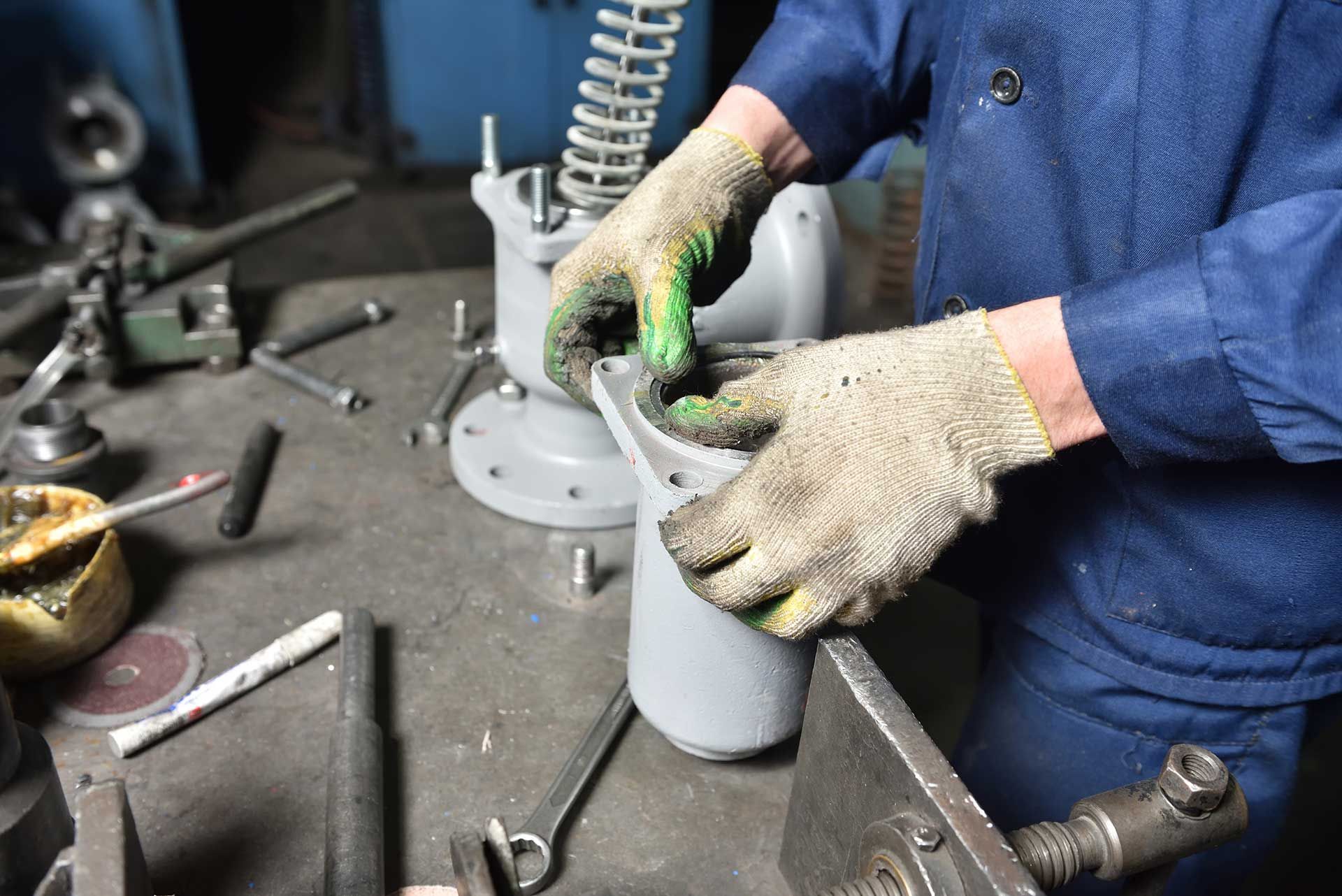
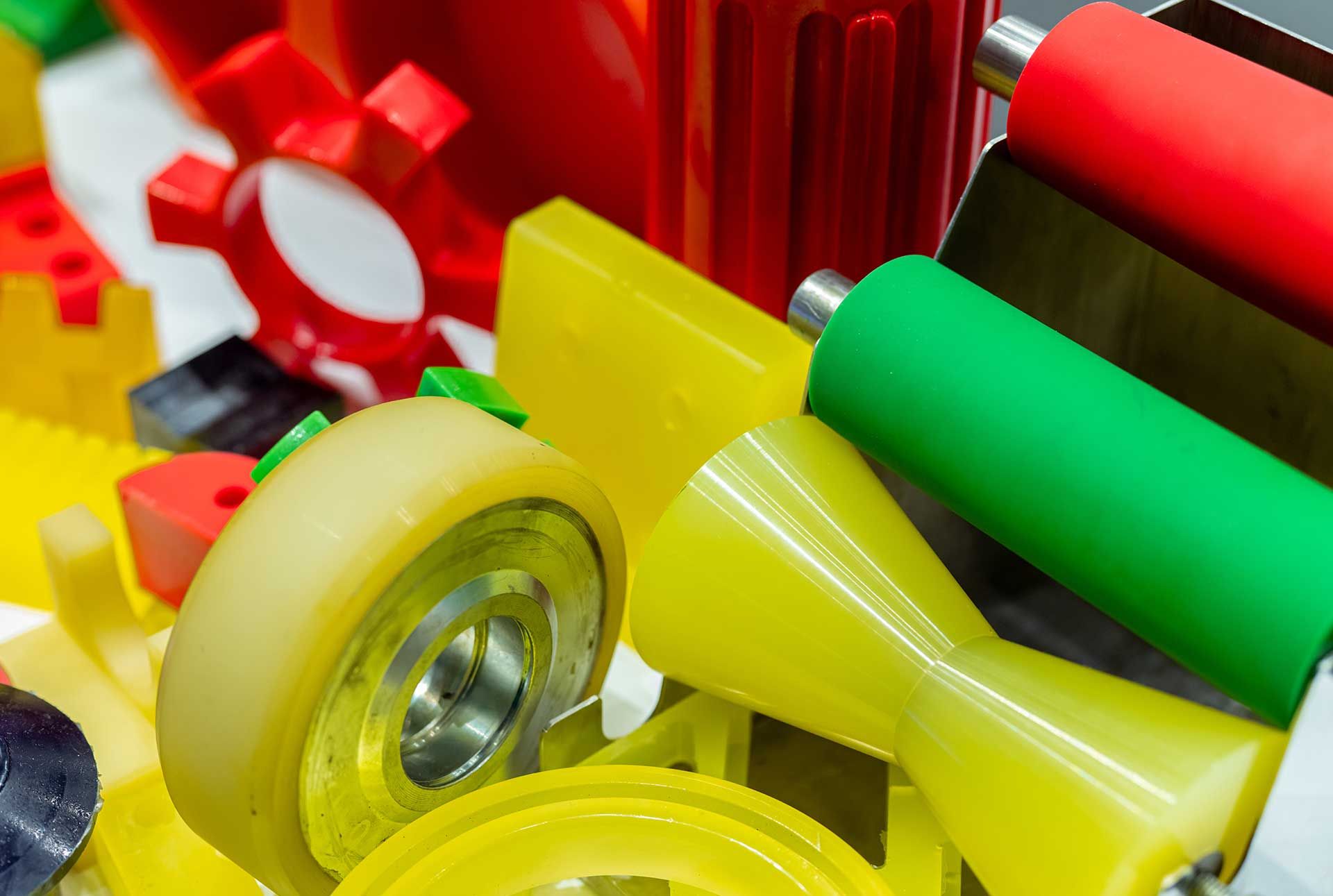
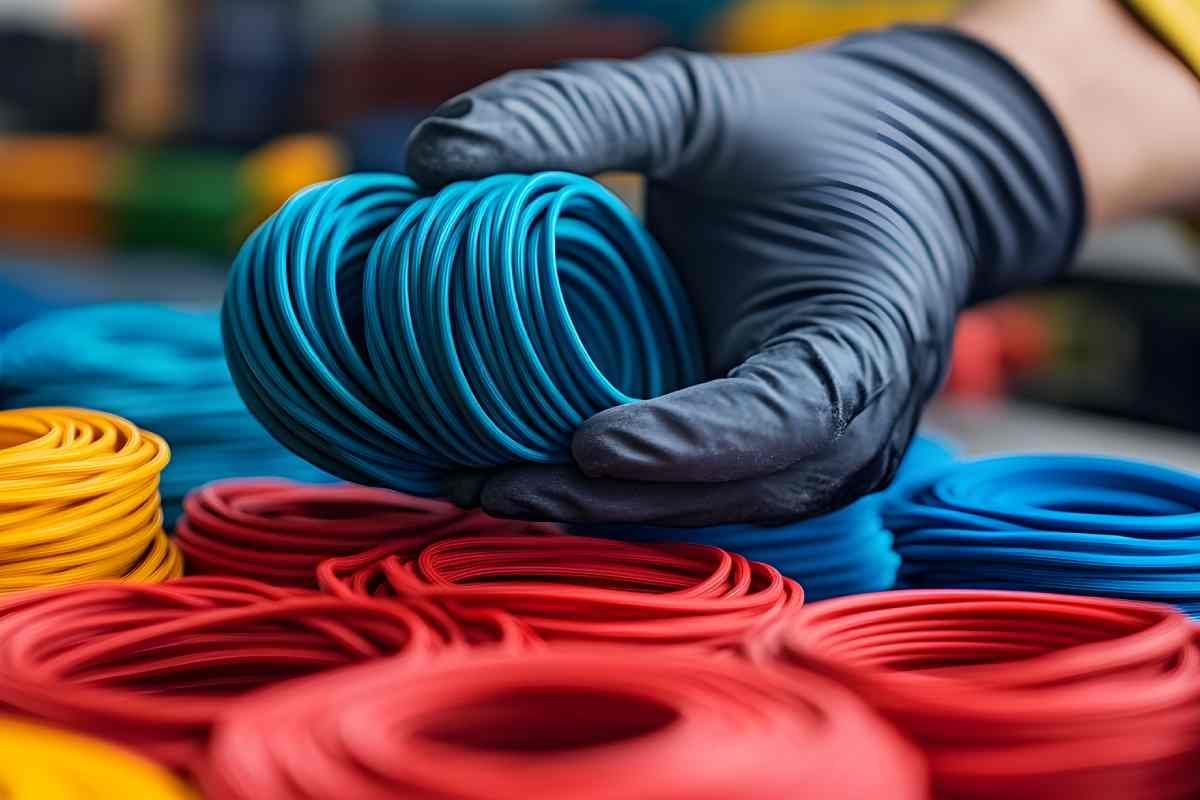
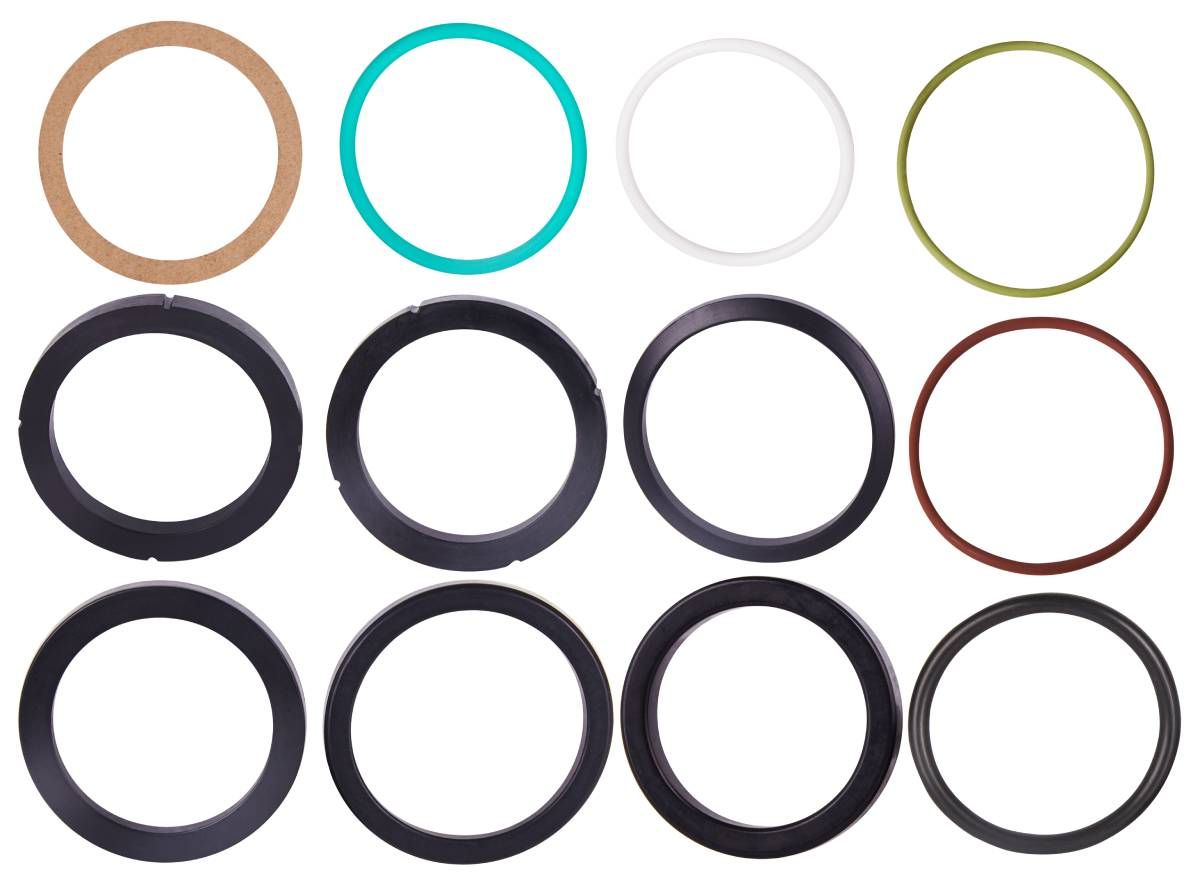
Gaskets are critical components in countless industrial applications. They create tight seals between two surfaces, preventing the leakage of fluids or gases under compression. But when it comes to gasket materials, one choice doesn’t fit all. I.B. Moore creates prefabricated and custom gaskets, and we’re familiar with every kind of material out there. We’re happy to explain the most common ones, grouped by category. Remember, a gasket’s effectiveness depends on choosing the right material for specific operating conditions.
Essential Elastomeric Gasket Materials
Natural (Gum) Rubber
Natural rubber gaskets offer excellent resilience and recovery properties and resist tears, water, alcohol, and many chemicals. They function well in temperatures ranging from -20°F to 150°F and are suitable for industrial applications where moderate temperature resistance is sufficient.
Nitrile Buna-N
Nitrile rubber is a commonly used gasket material due to its outstanding oil and fuel resistance. This synthetic elastomer handles temperatures from -30°F to 250°F and resists aliphatic hydrocarbons, petroleum oils, and hydraulic fluids. We recommend nitrile gaskets for automotive applications, fuel systems, and oil-handling equipment.
EPDM (Ethylene Propylene Diene Monomer)
EPDM gaskets provide superior resistance to weathering, ozone, and UV exposure. With temperature capabilities ranging from -60°F to 300°F, EPDM performs well in outdoor environments and applications involving steam, hot water, and many chemicals. However, it shouldn’t be used with petroleum oils since they degrade on contact.
Silicone
Silicone gaskets offer exceptional temperature resistance from -80°F to 450°F. They stay flexible at extremely low temperatures and resist degradation at high temperatures. Silicone resists ozone, UV light, and oxygen but has lower physical strength than other elastomers. We recommend it for medical equipment and food processing.
FKM/Viton®
FKM gaskets resist oils, fuels, acids, and high temperatures up to 450°F. These premium gaskets stand up to harsh chemical environments that would quickly destroy other elastomers. They’re well-suited for chemical processing equipment, aerospace applications, and high-performance engines.
Industrial Sheet Rubber and Fibrous Gasket Materials
Compressed Non-Asbestos Fiber
This gasket material combines aramid fibers, mineral fibers, and elastomeric binders. Depending on the composition, it handles temperatures from -100°F to 750°F. CNAF gaskets provide good chemical resistance and compressibility at a moderate cost, and we make them for general industrial piping, valve covers, and pump housings.
Graphite
Made from exfoliated graphite flakes, these flexible gaskets endure extreme temperatures from cryogenic ranges up to 850°F in oxidizing environments and 1200°F in non-oxidizing conditions. Graphite resists most chemicals except strong oxidizers and has excellent thermal conductivity. High-temperature steam systems, exhaust manifolds, and chemical processing equipment use graphite gaskets.
Composition Cork
Cork gaskets, manufactured from the cork oak tree bark, work well in low-pressure applications with temperatures ranging from -40°F to 175°F. They’re suited for automotive applications, particularly transmission pans, valve covers, and oil pans.
Other Gasket Materials
PTFE (Polytetrafluoroethylene)
PTFE gaskets, known by the brand name Teflon®, provide nearly universal chemical resistance. They function across temperatures ranging from -350°F to 500°F. PTFE resists virtually all chemicals except molten alkali metals and fluorine at elevated temperatures. Chemical processing equipment, pharmaceutical production, and food processing applications benefit from PTFE gaskets’ properties.
Neoprene
Made from synthetic rubber, neoprene gaskets have balanced resistance to weathering, ozone, moderate chemicals, and oils. They perform well in a temperature range of approximately -40°F to 230°F. While not suited for strong acids or aromatic hydrocarbons, this reliable, flexible gasket material is fine for general-purpose sealing in automotive, HVAC, and light industrial applications.
Vegetable Fiber Gaskets
Vegetable fiber gaskets come from plant-based cellulose materials and binders like protein or glycerin. They offer good resistance to oils and fuels and moderate temperatures between -40°F and 250°F. Though unsuited for highly caustic or high-temperature environments, we design vegetable fiber gaskets for automotive, agricultural, and low-pressure industrial systems.
Our Professional Gasket Distributor Services
Choosing the best gasket material requires careful consideration of operating conditions, such as temperature ranges, chemical exposure, and pressure requirements. Our gasket material specialists can help you make the proper selections for reliable, long-lasting sealing performance. That kind of manufacturing flexibility gives clients optimal sealing performance across diverse industrial applications.
Partner With Our Experts For Your Gasket Needs
The I.B. Moore Manufacturing engineering team can analyze your operating conditions and recommend the right gasket materials for your application. We deliver durable, high-performance gaskets for any industrial challenge and an impressive selection of materials. Contact our Lexington, KY, team for nationwide service.