What’s The Chemical Compatibility of Viton®?
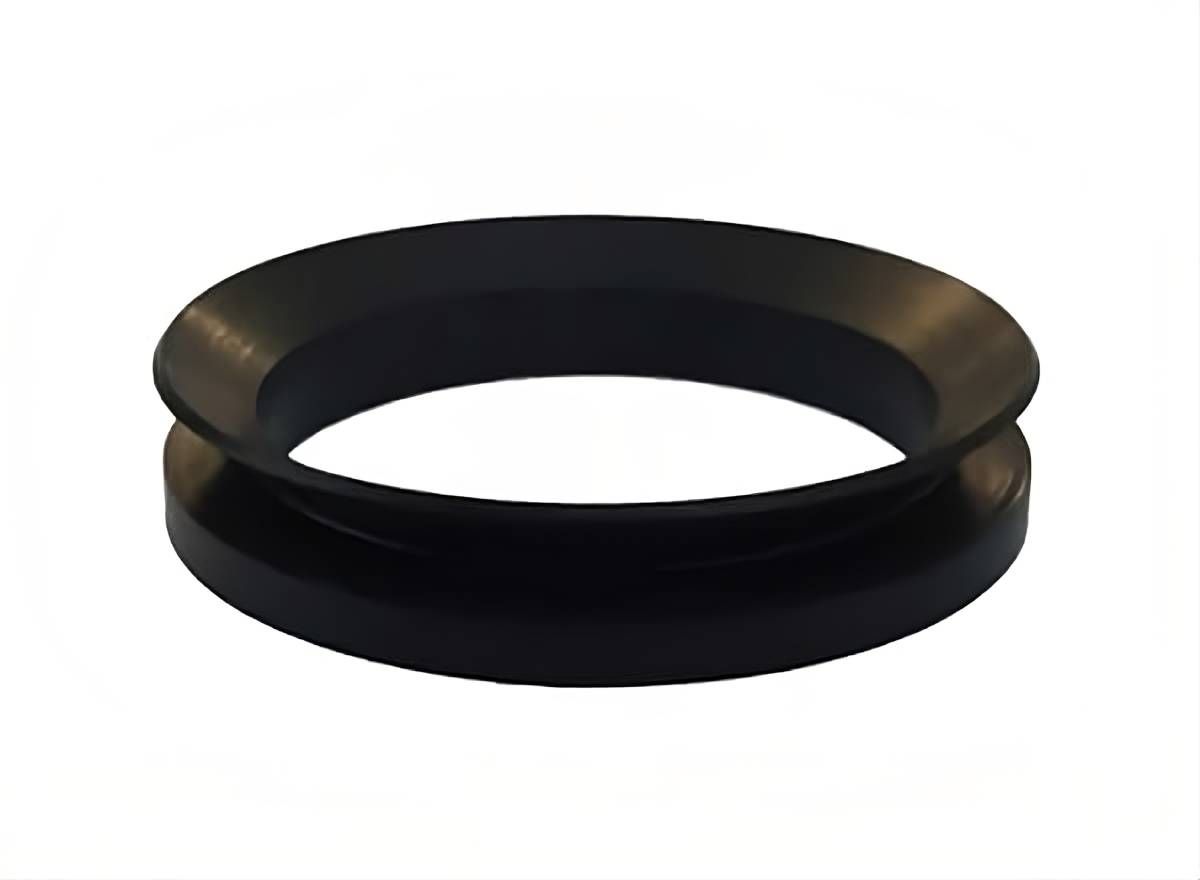
The sealing experts at I.B. Moore Manufacturing are closely familiar with Viton®; we work with it daily. Technically, it’s an FKM (Fluoroelastomer), a rubber-like material with superior resistance to high temperatures, oils, and harsh chemicals. DuPont invented Viton® for aerospace applications in the 1950s; now, it’s in thousands of applications, including the space station.
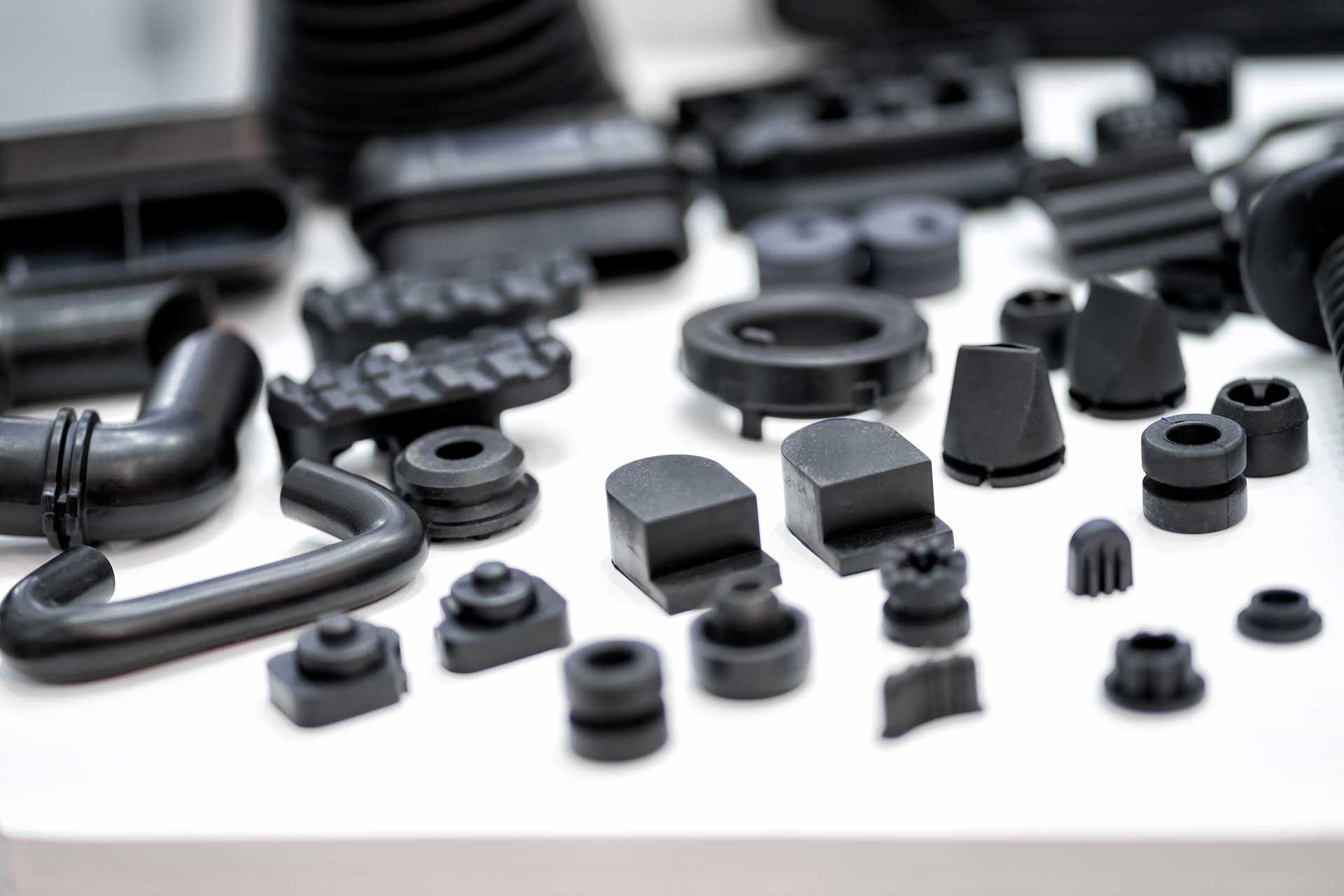
Because of its versatility, Viton® is commonly used to make seals, gaskets, and O-rings. But even though we use this FKM often, it doesn’t work well with all chemicals. Understanding material compatibility is one of our areas of expertise; it’s a must for preventing damage and delivering long-lasting performance.
Let’s start with the basics. We define chemical resistance as a material’s ability to resist certain chemicals. It is based on three main factors:
- Permeation: This happens when a chemical slowly moves through a material at the molecular level, even if the material looks solid.
- Penetration: This is when a chemical flows through small openings, seams, or tiny pores in the material.
- Degradation: When a chemical causes a material to break down, making it weaker or changing its appearance.
As you can see, knowing a material’s chemical compatibility is critical for effective sealing solutions.
Viton® Chemical Compatibility is Wide-Ranging
Viton® FKM is compatible with a wide range of chemicals, solvents, and fuels—it’s easier to explain which chemicals it isn’t compatible with! That feature maximizes its versatility; it’s used in many industry applications, reduces downtime for components and seals, and can lower costs.
Does Viton® work for all chemicals? No. Certain chemicals can degrade Viton®’s properties, so it’s unsuitable for some applications. Exposure to incompatible substances can lead to swelling, loss of elasticity, and material breakdown, which can cause costly/hazardous leaks and system failures.
Viton® Chemical Incompatibility
Substances that negatively affect Viton® include:
- Ketones: This category includes acetone and methyl ethyl ketone (MEK), which cause Viton® to swell and lose its structural integrity.
- Low Molecular Weight Organic Acids: Formic acid and acetic acid can break down Viton®, reducing its effectiveness in sealing applications.
- Amines: Ammonia, ethylenediamine, and other amine-based chemicals react poorly with Viton®, leading to unexpected degradation.
- Some Chlorinated Solvents: Certain chlorinated compounds can cause excessive swelling and loss of mechanical properties
I.B. Moore Manufacturing doesn’t recommend Viton® for those chemicals. Fortunately, there are viable alternatives that resist those specific environments.
Alternatives to Viton® for Incompatible Chemicals
When Viton® does not provide the necessary resistance, our team members select a more suitable material:
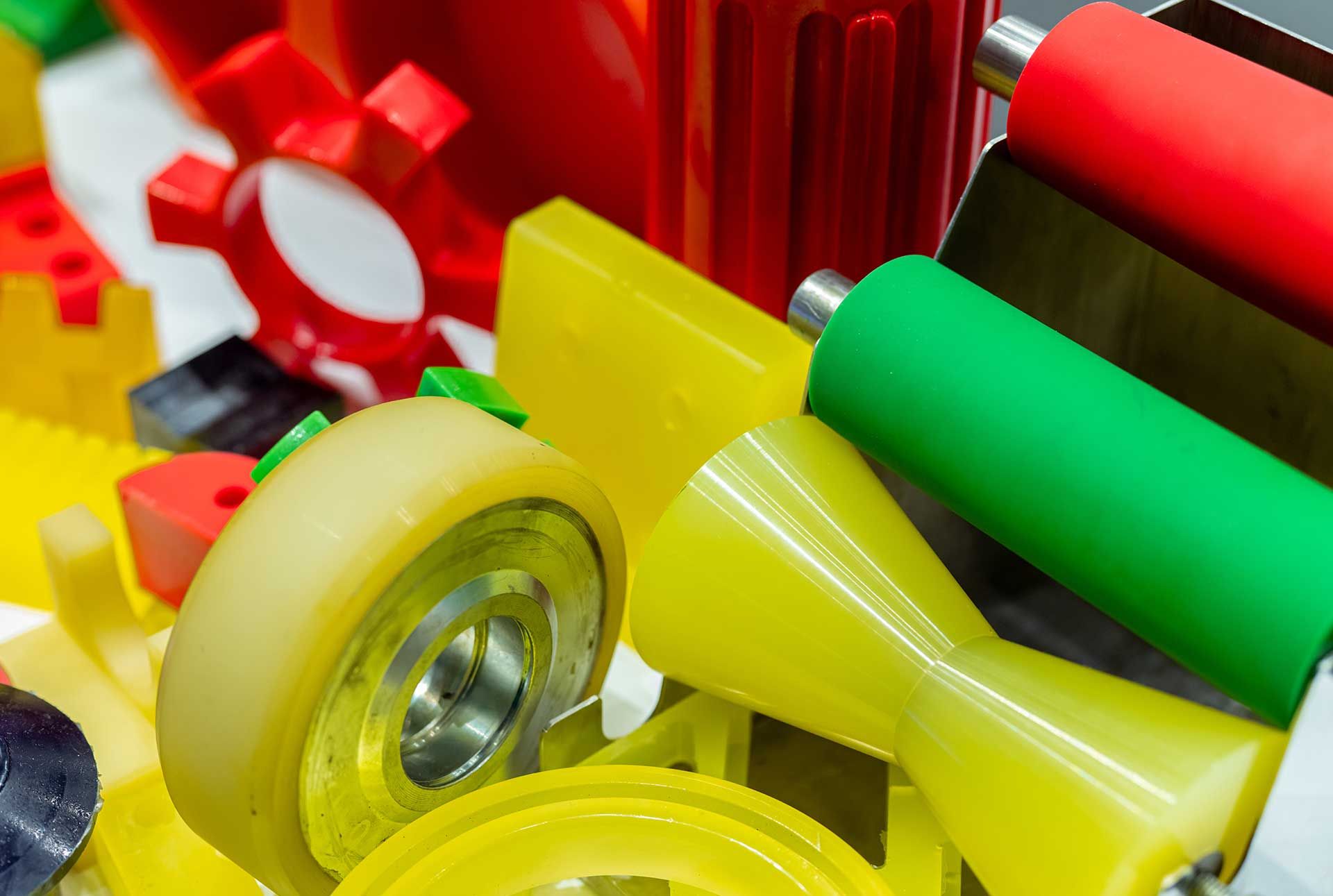
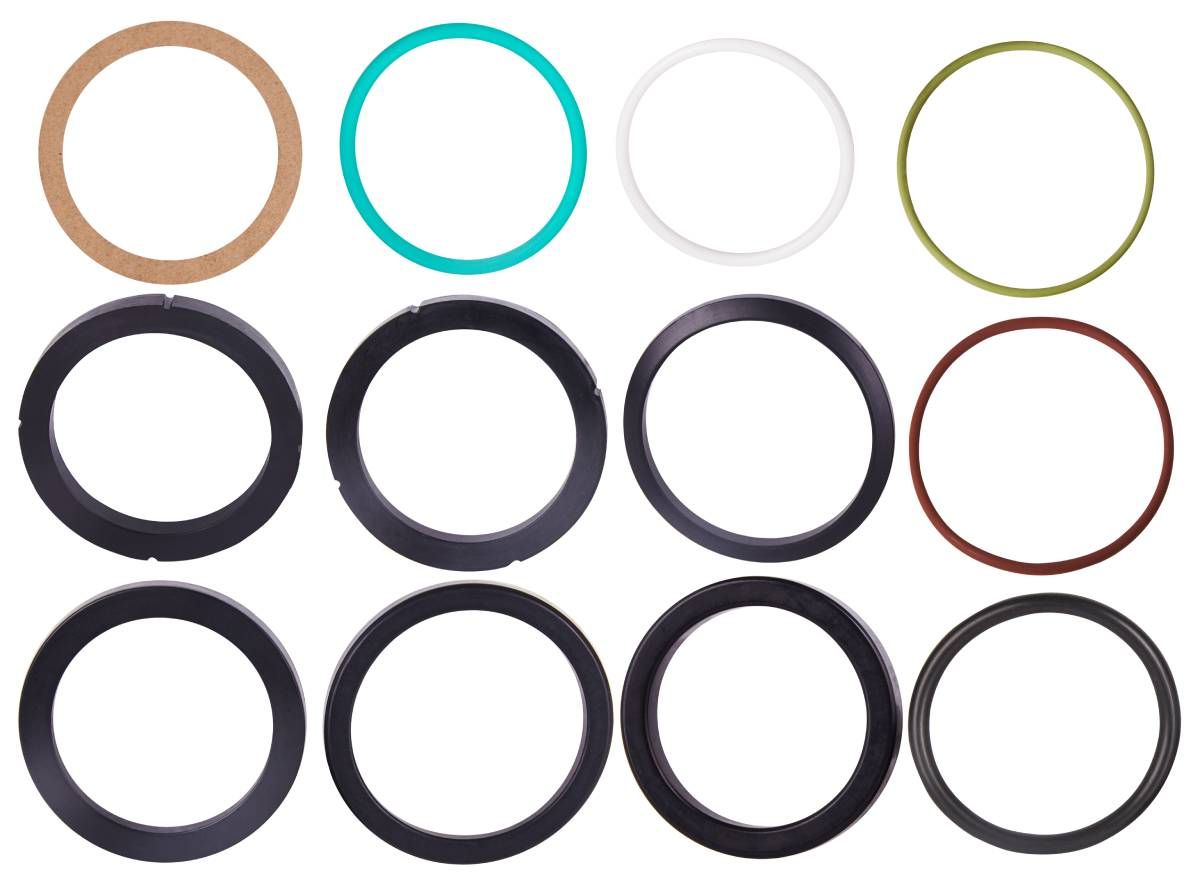
- EPDM (Ethylene Propylene Diene Monomer): A top choice for hot water, steam, and polar solvent applications. Thanks to its exceptional resistance to ketones and organic acids, EPDM is used in food processing, pharmaceutical, and automotive industries.
- FFKM (Perfluoroelastomer): FFKM provides the highest level of chemical resistance, so it’s ideal for extreme environments, including aggressive acids, ketones, and amines. It can be more expensive than other elastomers, but FFKM is often the only choice.
- PTFE (Polytetrafluoroethylene, known as Teflon®): Though not an elastomer, PTFE has excellent resistance to nearly all chemicals. We use it for gaskets and seals in harsh environments with unavoidable chemical exposure.
- HNBR (Hydrogenated Nitrile Butadiene Rubber): This strong elastomer performs well in applications involving amines, hot water, and fuels.
- Silicone Rubber: While silicone rubber withstands high temperatures, we don’t suggest it for fuel and oil exposure. Still, it’s a reliable option for applications that need flexibility and thermal stability.
About I.B. Moore Manufacturing
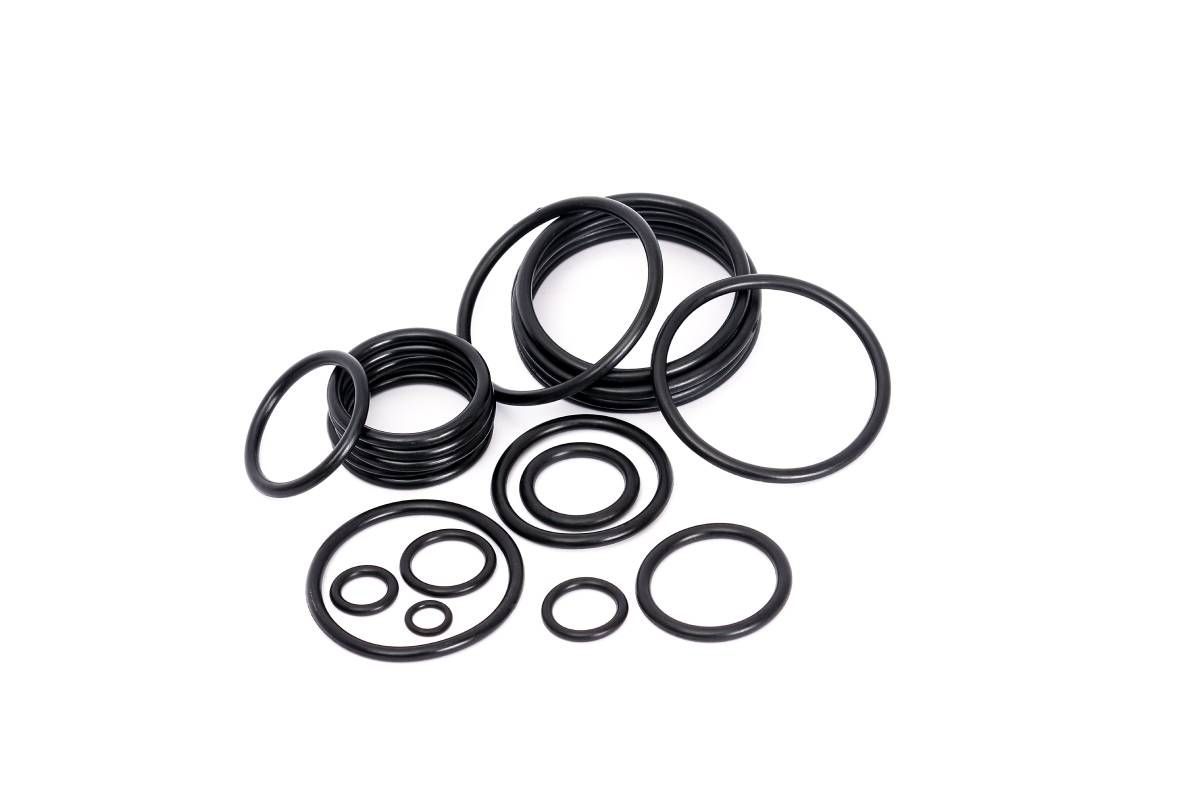
.B. Moore Manufacturing will help you determine if your application will benefit from Viton® or an alternative material. We feature a wide selection of precision-engineered custom and standardo-rings, gaskets, and components for aerospace, automotive, manufacturing, and chemical processing industries.
Rest assured that all our products meet stringent requirements and undergo rigorous testing to meet industry standards. You won’t have to worry about anything; we assist clients with material selection and design considerations, optimizing part selections for different industry applications.
We Find the Right Material for Every Application
Selecting the right material drives long-term reliability in demanding environments, and we will work with you closely throughout this process. If Viton® is unsuitable for your application, I.B. Moore Manufacturing’s experts will find the best alternative. Contact our Lexington, KY team for a free quote and nationwide service.